What do Rubber Bands Do For Braces?
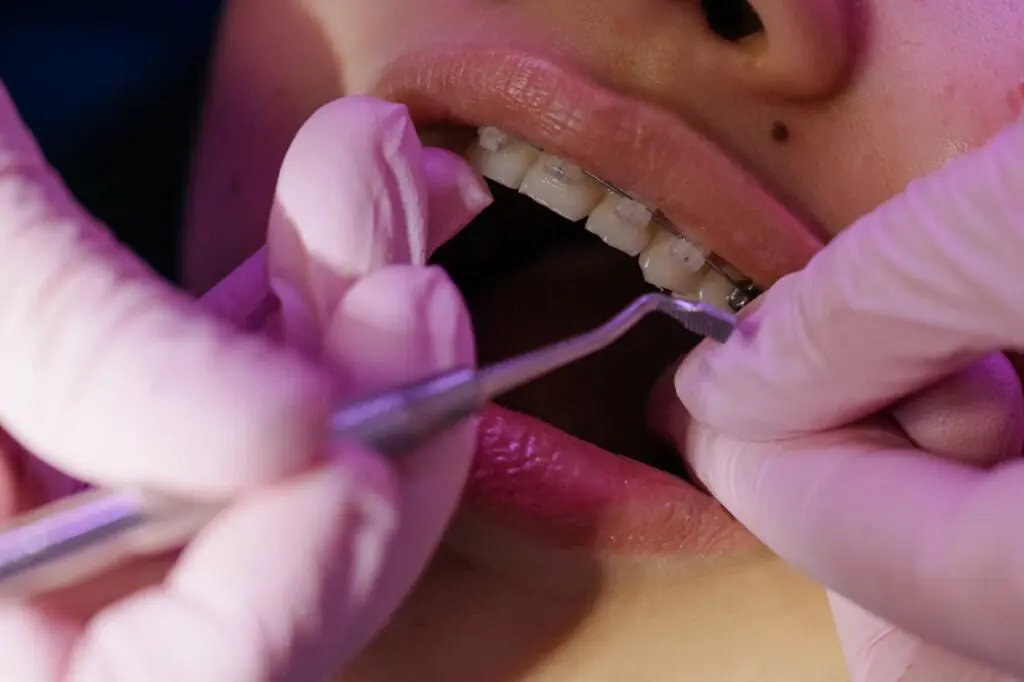
Braces are a common type of orthodontic treatment, but they’re often supported by an unsung hero: rubber bands. Also known as elastics, these connect to your brackets and work by applying targeted pressure to specific areas of your mouth.
Given their versatility, rubber bands on braces can help support patients with a variety of misalignment issues, including crossbites, underbites, open bites, and overbites, among others.
Types of Rubber Bands for Braces: It’s Not One-Size-Fits-All
Given their range of use, it’s important to recognize that rubber bands on braces can vary wildly. Some of the most common ways to categorize them include:
Size
Depending on how far they need to stretch, rubber bands can vary in size. This is measured by diameter; typically, by fractions of an inch.
Material
Most elastics are made of latex, as it’s flexible and inexpensive to produce. That said, latex rubber bands aren’t ideal for everyone.
If you have a latex allergy, your orthodontist may recommend using synthetic elastics. Silicone, EPDM (ethylene-propylene-diene monomer), and other materials can serve as safe alternatives.
Use
As rubber bands can support different treatment goals, classifying them by use is another popular method. Common uses your orthodontist may mention include:
- Class I: Often used to help close gaps between your teeth, these are positioned horizontally and link to one of your jaws
- Class II: Commonly used to treat overbites, these connect the molars of your lower jaw with the teeth of your upper jaw
- Class III: These braces, rubber bands connect molars on your upper jaw with the teeth of your lower jaw. This can help resolve an underbite
- Vertical: Another method for overbite correction, these connect teeth on your lower jaw with the teeth above them
- Cross: Used for crossbite treatment, these bands connect teeth on both jaws and cross over your front teeth
Force
A final classification type involves examining the amount of force exerted. Most rubber bands fall into one of three force categories: light, medium, or heavy.
Manufacturers measure force in ounces (oz) or grams (g).
The “How-To”: A Step-by-Step Guide to Wearing Your Elastics
As mentioned, the correct position for wearing elastic bands depends on the condition your care plan is seeking to address. Someone with an underbite, for example, will hook the rubber bands to their upper back teeth, stretching them forward and downward toward their lower front teeth. Correcting an overbite will require the opposite.
Your orthodontist will walk you through the specifics, ensuring you know where to place them in your mouth. Following that, wearing elastics generally involves one of two methods:
Method 1: Using Your Hands
Most patients will be fine to use their hands to hook the elastics in place. This involves:
- Hold the rubber band with your index finger and thumb
- Hook one end of the elastic around the bracket of the first tooth
- Pull the rubber band to stretch it towards the second tooth, hooking it onto the next bracket and securing it into place
Method 2: Using a Plastic Hook
In some cases, your orthodontist may provide you with a small plastic hook to put the braces rubber bands in your mouth. To wear them, you’ll want to do the following:
- Place the elastic around the hook end of the plastic tool
- Using the tool, stretch the rubber band onto the specified bracket, hooking it into place
- Once there, use the tool to further stretch the elastic, guiding it onto the second bracket
Tips for Success
Correctly hooking the elastics up may be slightly challenging at first, but it’ll become easier over time. Here are some general tips to help new patients:
- Avoid using two hands or multiple fingers, as doing so can cause the band to pop off
- Don’t open your mouth too wide – keeping it just slightly open gives the bands more slack, making them easier to hook into place
- Use a mirror so you can see what you’re doing
- Listen to your orthodontist to stay consistent with wearing and replacing the bands
- Expect a bit of discomfort – it’s normal in the beginning!
Bands Before and After: Visualizing the Transformation
We know that having elastic bands in your mouth – on top of your standard brackets – isn’t fun, which is why it’s essential to keep your eyes on the finish line. You’re wearing rubber bands on braces for a reason: to achieve a beautiful and functional smile.
When you first get brackets and wires, you might also have to wear spacers between your teeth. These help create tiny gaps where the bands will then fit.
Your first bands may be thick, which can cause some soreness as your teeth and jaw begin to shift. Throughout this process, know that they’re working around the clock to gently guide things into place. Again, make sure to be consistent with wearing them.
After your treatment concludes, you can look forward to having the smile of your dreams. Your teeth will be straighter, your gaps closed, and your jaws aligned like puzzle pieces. Nothing will compare to the confidence you feel here, and seeing every patient reach this point is why we’ve been in the business for as long as we have.
Your Commitment is Key to a Perfect Smile
For many patients, braces with rubber bands play a temporary but critical role in their treatment journey. As with everything in orthodontics, consistency is key, so ensure you follow your orthodontist’s instructions. Wearing your elastics as directed and replacing them when needed will help your treatment progress accordingly.
Throughout your care plan, our team at Atlanta Orthodontic Specialists is here to help. If you have any questions about your rubber bands or your treatment plan, don’t hesitate to ask us at your next appointment. For those considering treatment, schedule a consultation to see how we can create your perfect smile.