Crooked Teeth Are A Common Issue In Children And Adults.
Approximately 56% of the population has crooked teeth. Also known as malocclusions, they impact more than just your appearance. They can cause problems with your health and functionality. If you’ve begun to notice the effects of your malocclusion, it’s time to seek help from Atlanta Orthodontic Specialists.
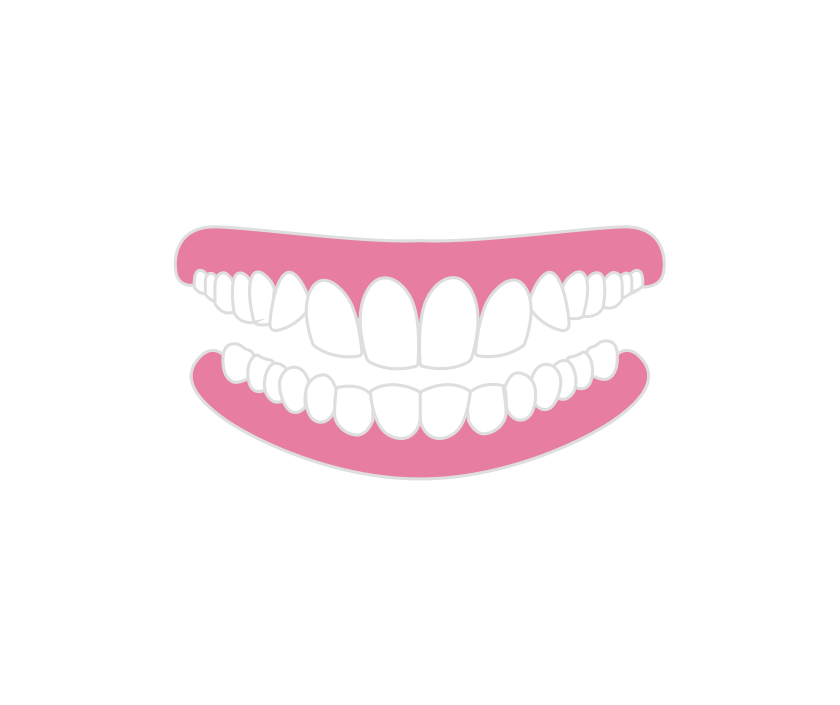
What Causes Crooked Teeth?
Before exploring corrective actions for malocclusion, it’s important to understand what causes crooked teeth. Sometimes, people are born with them, while at other times, they become crooked over time due to a facial injury or specific actions.
Even though more than half of the world deals with crooked teeth, it doesn’t mean you have to live with them. Schedule a consultation with Atlanta Orthodontic Specialists to explore the options available for your situation before it becomes a problem. Our team is highly trained in providing the best possible care for malocclusion, utilizing the most effective methods for you, whether they are braces, Invisalign, or SureSmile.
Genetics
If you have crooked front teeth, it may be caused by genetics. For example, dental patterns, such as overbites and other misalignments, can be inherited. Genetics may also determine the size and shape of your jaw, determining the way your teeth align in your mouth.
Jaw Size
Scientists believe that the change in human diets over the last several decades has significantly affected our collective jaw sizes. Because we consume foods that require less chewing, our jaws have gotten smaller, leading to crowded mouths and crooked bottom teeth.
Childhood Habits
Repetitive behaviors, such as thumb sucking, using a pacifier, and drinking from a bottle, of childhood can also cause teeth to shift over time. If baby teeth grow crooked, your adult teeth will most likely also grow crooked.
Poor Dental Care
If a dentist doesn’t regularly check your teeth, you could be at risk for developing serious dental problems. Issues like cavities and gum disease can even affect tooth alignment. That’s why it’s essential to maintain proper dental care from an early age.
Mouth Breathing
Mouth breathing, often caused by nasal congestion or allergies, can affect facial muscle and jaw structure development, potentially leading to crooked teeth.
Tongue Thrusting
If your tongue presses against your teeth when you speak, swallow, or at rest, this repeated pressure can cause your teeth to become misaligned.
Poor Nutrition
An improper diet lacking essential nutrients can lead to the development of malocclusions. Vitamins like calcium, vitamin D, and phosphorus are critical to bone growth. Not having enough of them could cause teeth to grow crooked.
Types of Crooked Teeth.
Now that you understand what malocclusions are and what causes them, let’s discuss the different types of crooked teeth you can have. There are ten main categories of malocclusions:
- Crossbite
- Diastema
- Impacted tooth
- Missing tooth
- Overcrowding
- Overbite
- Open bite
- Overjet
- Spacing
- Underbite
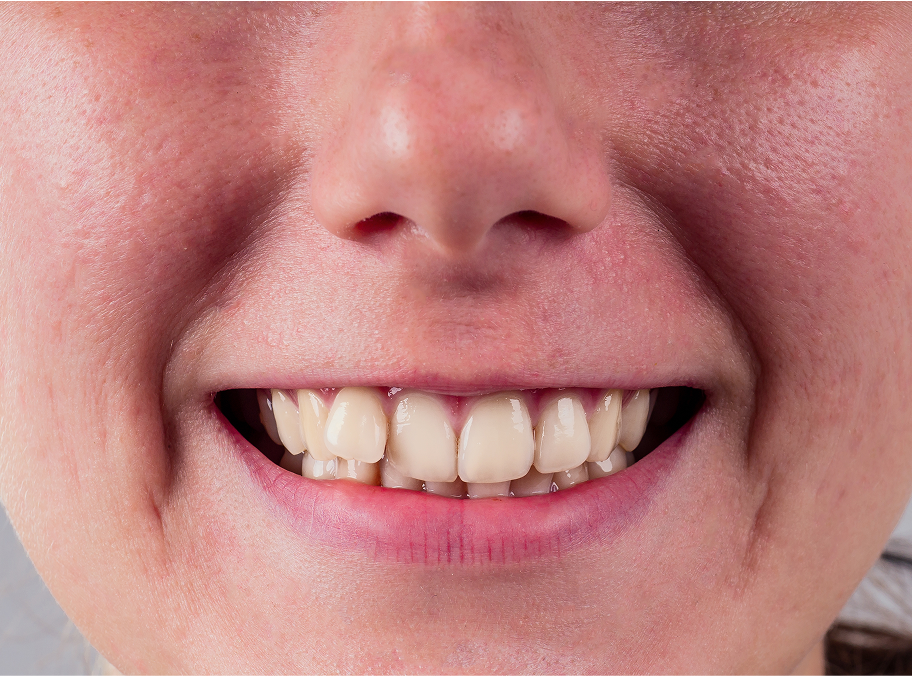
Front Teeth Crookedness
An overbite or an underbite may cause crooked front teeth. If you have an overbite, your front teeth vertically overlap your bottom teeth. A slight overlap is normal, but a large overbite is a problem. If you have an underbite, your lower jaw is pushed forward more than it should be, causing the lower front teeth to rest outside of your upper teeth.
Lower Teeth Crowding
You may develop crooked bottom teeth if your jaw is small, your teeth are larger, a combination of the two, or if it is due to genetics. Lower teeth crowding happens when there isn’t enough space in your mouth for them to align correctly. Crooked and overlapping teeth caused by crowding are the most common reason for orthodontic treatment among adults.
Baby Teeth Misalignment
One of the most common reasons for baby teeth coming in crooked is related to spacing. Spacing issues can arise from thumb sucking, as well as the use of bottles and pacifiers. These habits apply pressure on the teeth, influencing their positioning and potentially causing gaps to form where there shouldn’t be any.
Problems Caused by Crooked Teeth.
We’ve talked about the different types of crooked teeth and how you can get them. We’ve even touched a bit on the problems they could cause. Let’s talk about that more.
Oral health isn’t something to take lightly. What starts as a slight discomfort can quickly develop into a serious issue that may impact your overall quality of life. With that in mind, let’s discuss how to fix crooked teeth.
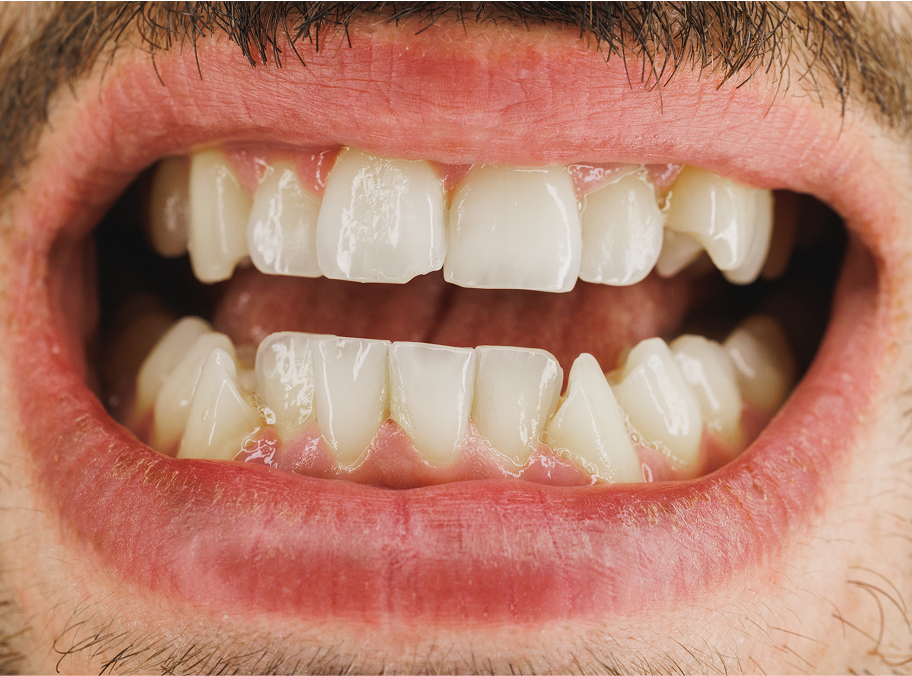
Jaw Strain
Misaligned teeth can strain jaw muscles, causing jaw pain, headaches, and temporomandibular joint (TMJ) disorders.
Oral Health
Misaligned teeth are harder to clean, allowing plaque and food buildup, increasing the risk of tooth decay and gum disease. Untreated gum disease can progress to periodontitis, severely damaging bones and tissues.
Difficulty Chewing and Speaking
Chewing can be challenging, leading to digestive issues, while speech may suffer from lisping or mispronunciation.
Excess Wear
Crooked teeth increase wear on teeth, gums, and jaw muscles, potentially causing cracked teeth, jaw strain, TMJ, and chronic headaches.
Self-Esteem
An uneven smile can make individuals self-conscious, affecting their confidence.
Social Anxiety
Social situations can be stressful, contributing to anxiety and a lower quality of life.
How to Fix Crooked Teeth:
Treatment Options.
If you’ve decided you want to get your crooked teeth fixed, the first step is scheduling a consultation with your dentist. Once you’ve met with them, they can refer you to Atlanta Orthodontic Specialists, who will take over from there. One of our orthodontists will review your medical records, examine the situation, and recommend a treatment plan best suited to you and your lifestyle.
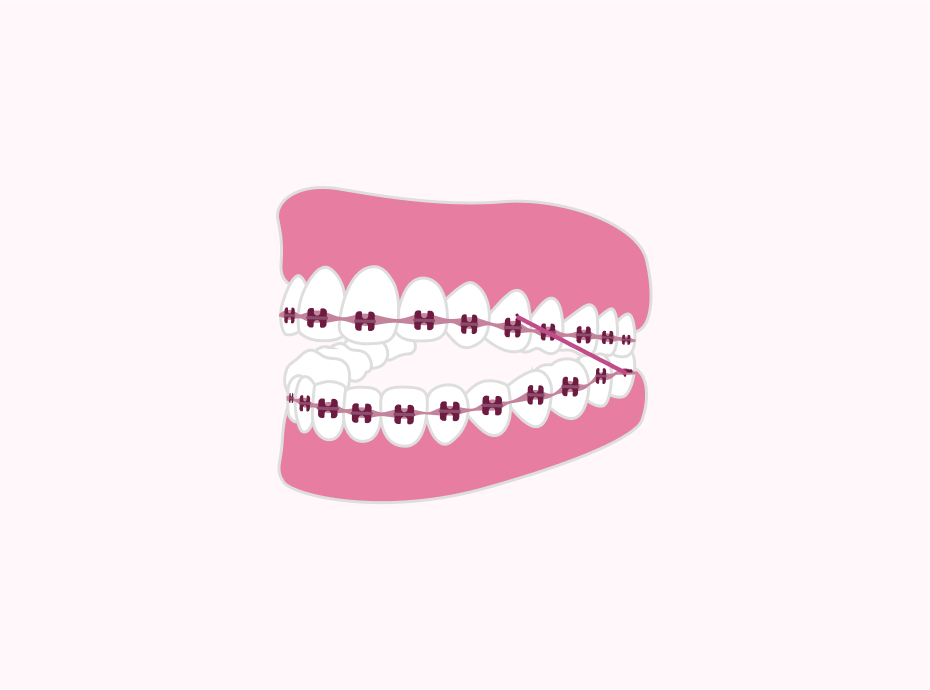
Braces
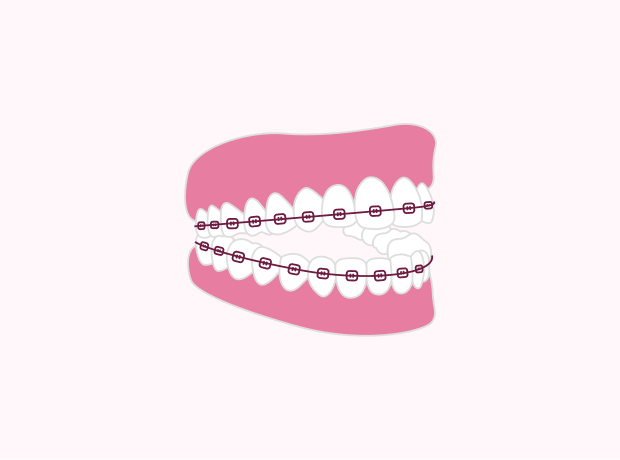
Braces have come a long way from what they used to be. While traditional metal braces are still an option — an affordable one at that — there are three other options to consider: clear aligners, ceramic braces, and hidden braces. Clear aligners are retainer-like and must be worn at least 18 hours per day to straighten teeth. Ceramic braces are similar to traditional braces, but the brackets match the color of your teeth, making them less noticeable. Hidden braces are placed behind your teeth instead of in front, making them ideal for aesthetics.
Invisalign®
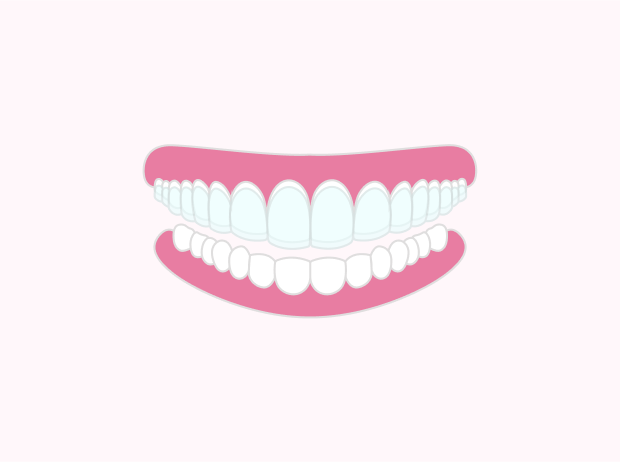
Invisalign® is a clear aligner that uses plastic rather than metal to straighten teeth and correct bite issues. They’re smooth, removable aligners, which makes them much more comfortable than traditional braces, but they serve the same purpose. A popular characteristic of Invisalign® is its clear, virtually invisible appearance. Overall, it’s a more hygienic choice as well, since it can be removed for eating, brushing, and flossing.
Surgery
If you’re wondering how to fix crooked teeth without braces, talk to your orthodontist about the possibility of surgery. Orthognathic surgery is particularly beneficial for those who have developed pain while eating, speaking, or doing anything else as a direct cause of crooked teeth.
Why Choose Atlanta Orthodontic Specialists?
Out of all the orthodontists in Atlanta, why should you choose us? It’s simple: we understand that each of our patients is unique and therefore deserves an equally unique care plan. Our highly experienced staff has made it their mission to provide unmatched orthodontic care in a comfortable, minimally stressful environment.
Each time you walk through the doors of Atlanta Orthodontic Specialists, we want you to feel like you’re visiting friends, not checking in for an intimidating doctor’s visit.
Atlanta Orthodontic Specialists employs cutting-edge technology to offer the best, most efficient, and comprehensive dental care in Atlanta. As new technologies arise, we can enhance our services and improve patient comfort. For over 45 years, Atlanta Orthodontic Specialists has provided exceptional orthodontic care to the Atlanta, GA community.
Frequently Asked Questions.
How Long Does Treatment Take For Crooked Teeth?
Treatment for crooked teeth varies from a few months to a couple of years, depending on the severity of misalignment and the selected treatment plan.
Is Crooked Tooth Treatment Painful?
Treatments may cause mild and temporary pain, which should subside after a few days.. A common discomfort is soreness after the braces or aligners are first applied and adjusted. While unpleasant, discomfort is a good sign. It means your teeth are moving into the correct positions.
Can You Get Veneers With Crooked Teeth?
Yes, you may be able to get veneers even if you have crooked teeth. However, it will depend on how severe your malocclusion is.
Are Crooked Teeth Genetic?
Yes, crooked teeth can have a genetic basis. Certain traits passed down from our parents may increase the likelihood of developing crooked teeth, particularly those related to jaw size and alignment.
Can Braces Fix Crooked Teeth?
Braces are one of the most effective methods to fix crooked teeth. They work by applying gentle pressure to gradually move teeth into the correct alignment.
Get Your Free Consultation.
Start the journey toward a straighter smile today!