Orthodontic TMJ Treatment in Atlanta.
Aching, clicking jaw, making it hard to eat and sleep comfortably? You may have TMJ—a common condition that affects as many as 10 million Americans. At Atlanta Orthodontic Specialists, we offer several different treatments for TMJ that help reduce pain, realign the jaw, and protect the delicate functioning of the temporomandibular joint.

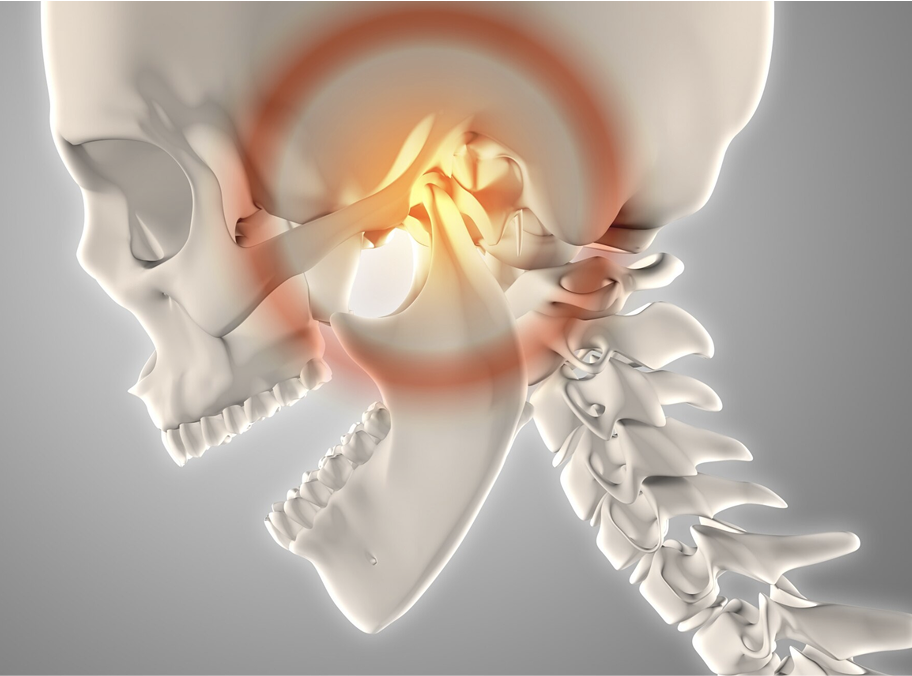
What Is TMJ?
TMJ stands for temporomandibular joint, which joins the skull to the jaw, facilitating essential jaw movements like chewing and talking. The term TMJ is commonly used to describe disorders related to this joint, known as temporomandibular joint disorders (TMD). TMD can manifest in various ways, causing discomfort and pain in the jaw joint and the muscles controlling jaw movement.
Symptoms Of TMJ.
Originating in the joint where the skull attaches to the jaw, TMJ can cause a long list of symptoms in addition to jaw pain. People with TMJ often suffer from associated problems such as:
- Pain and tenderness of the jaw
- Pain and tenderness in one or both temporomandibular joints
- Aching pain around the ear
- Locking of the jaw joint makes it difficult or impossible to open the mouth
- Uneven movement of the jaw
- Clicking or grinding sensation when chewing
- Difficulty sleeping because of jaw discomfort
- A clicking sound when chewing


Causes Of TMJ.
Cartilage in the temporomandibular joint keeps the hinge-and-slide action of the joint moving smoothly. A disc between the bones of the joint acts as a shock absorber to assist with movement. When that cartilage or disc becomes damaged or inflamed, TMJ symptoms can result.
Common causes of TMJ include:
- Erosion of the shock-absorbing disc
- The disc moves out of alignment
- The cartilage is damaged by arthritis
- The joint is damaged by impact or trauma
- Chronic grinding or clenching of teeth
- Connective tissue disorders that damage tissues in the joint
Orthodontic Treatments for TMJ.
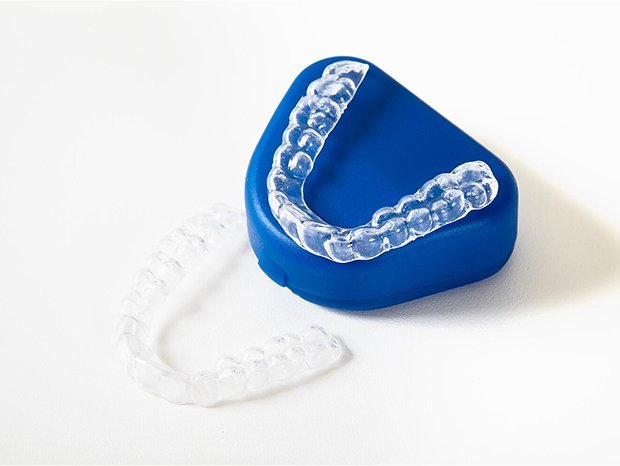
Occlusal Guards
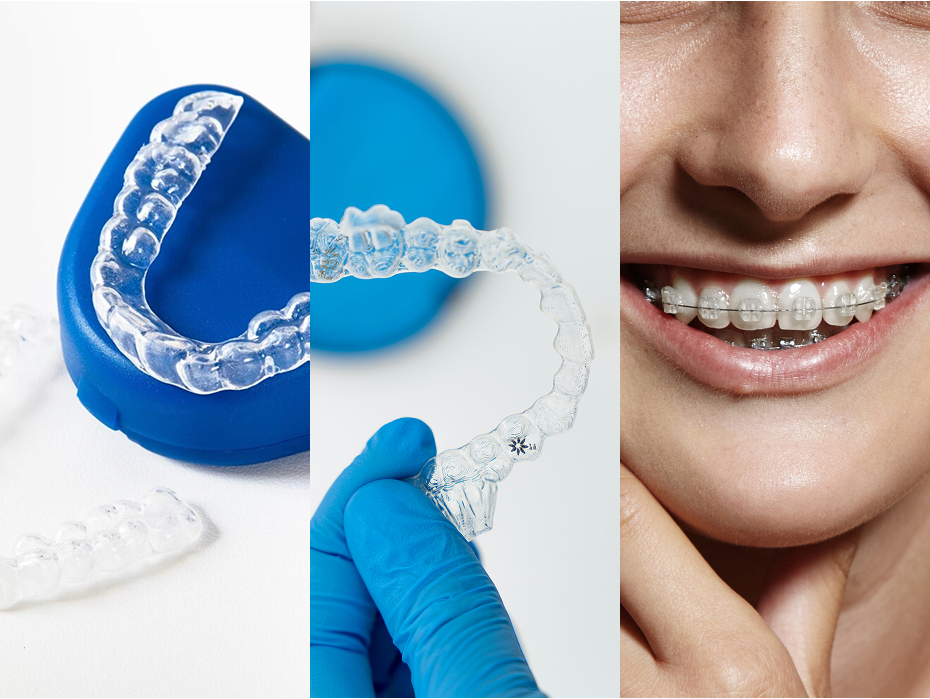
Sometimes called bite guards or night guards, occlusal guards are thin, custom-shaped guards that you can wear either on your top or bottom teeth. An occlusal guard protects your teeth from clenching and grinding by providing a shock absorber between the upper and lower teeth. This shock-absorbing treatment reduces the pressure put on the jaw when clenching and grinding and therefore can reduce TMJ symptoms.
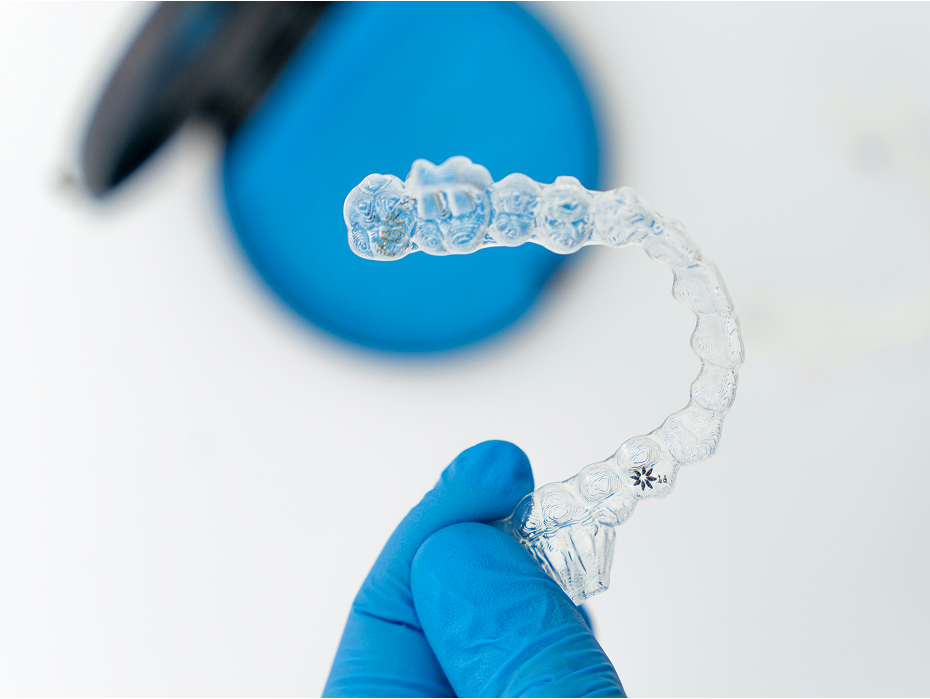
Splints
A splint is similar to a guard, but it is worn all the time. An orthodontic splint is designed to fit either the upper or lower teeth. A splint’s job is to stabilize the teeth or jaw to alleviate discomfort.
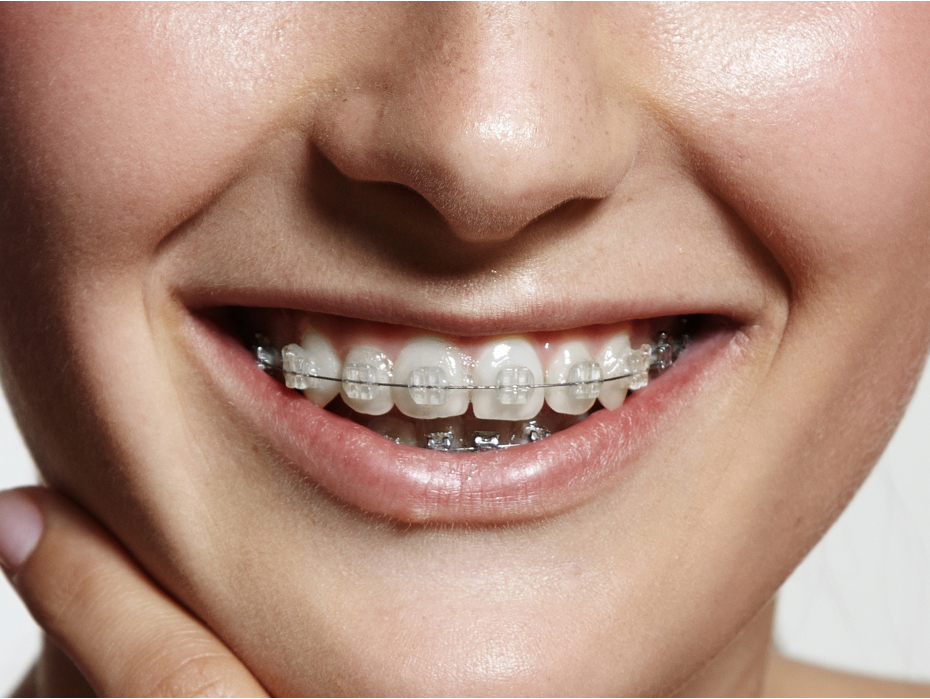
Braces
Many times, TMJ is caused by misalignment of the teeth or bite. For this reason, braces are considered one of the most effective treatments for TMJ.
Multi-disciplinary treatment
TMJ issues can be complex, and our oral surgeons work with our orthodontists to create custom TMJ treatment plans for our patients. In addition to the TMJ treatments listed above, we may also include therapies such as muscle relaxants and physical therapy to help our patients reduce the pain of TMJ, preserve their teeth, and restore healthy function of the jaw.
Our TMJ Treatment Process.
If you think you may have TMJ, don’t wait to book an appointment with us—and get on the road to feeling better today!
Book a Consultation
Call us to share your concerns and schedule an appointment with our orthodontic experts.
TMJ Evaluation & Diagnosis
We’ll listen to your symptoms, do an oral examination and provide our expert diagnosis.
TMJ Treatment Plan
If our doctors determine you have TMJ, we’ll develop a custom treatment plan to help you find relief and protect against further damage.
Frequently Asked Questions.
How Long Does TMJ Treatment Take?
The timeline for TMJ disorder treatment depends on the underlying causes and the specific approach. Some of our patients—particularly those who clench or grind their teeth—notice an improvement within days of starting to wear an occlusal guard or splint. For patients who experience TMJ because of misalignment of their teeth or bite, treatments like braces address the root causes but work more gradually, usually over the course of months. Complex cases with joint damage or that require multidisciplinary care can involve longer treatments and a combination of approaches.
At Atlanta Orthodontic Specialists, we’ll set a realistic timeline with you at your initial TMJ evaluation in Atlanta.
Can Stress Cause or Worsen TMJ Symptoms?
Absolutely—stress is one of the most common contributing factors to TMJ that we see in patients. When stress is present, many people respond by clenching or grinding their teeth, often during sleep. Over time, this repetitive pressure on your jaw joint and the surrounding muscles can lead to inflammation, pain, and the characteristic clicking or popping noises associated with TMJ disorders. To make matters worse, many people aren’t aware they’re clenching or grinding until symptoms like headaches or worn teeth become pronounced and force them to seek treatment.
While addressing stress is important, an occlusal guard can provide immediate protection by cushioning your teeth and reducing the pressure transferred to the jaw joint during clenching episodes. This makes it one of the most common and recommended treatments for TMJ disorders.
Can TMJ Cause Headaches?
Yes. TMJ-related headaches are common, and many people don’t realize that their jaw joint can be the source of discomfort.
The muscles you use for jaw movement have deep connections to those in your temples, head, and neck. Thus, any tension or dysfunction in your temporomandibular joint can radiate outward as headache pain, usually described as a dull ache around the temples or behind the eyes. Oftentimes, people mistake this pain for tension headaches or migraines, leading many to seek treatment for the headache itself without addressing the underlying jaw issue.
If you suffer from frequent headaches, jaw clicking, soreness, or have difficulty opening your mouth, it’s worth meeting with an Atlanta orthodontist to have your jaw evaluated as a potential contributing factor.
Is TMJ Permanent?
TMJ doesn’t need to be a lifelong condition: for many people, its symptoms are manageable and resolvable with the right treatment. Mild cases caused by temporary stress or habits like clenching often see meaningful improvements once a patient has an occlusal guard and makes some simple lifestyle adjustments. Cases caused by bite misalignment are also permanently resolvable through orthodontic treatments like braces, while correcting the underlying issue instead of just managing symptoms. More complex cases that involve structural joint damage may require ongoing management or multidisciplinary care, but even then, treatment can reduce pain while significantly improving function.
As treatment depends on your specific, underlying causes, it’s imperative to receive a comprehensive “TMJ evaluation near me” that can identify the factors driving your symptoms.
Can Children Develop TMJ Disorders?
While adults are more likely to develop TMJ disorders, children and teenagers can also experience them, often on account of differing causes. In younger patients, TMJ symptoms can stem from jaw growth discrepancies, uneven bites, habits like teeth grinding, and jaw trauma. Symptoms can also look different—rather than describing jaw discomfort, children may complain of ear pain, headaches, and difficulty opening their mouths wide.
If your child shows signs of jaw clicking, frequent headaches, or reports discomfort while chewing, it’s worth having their bite and jaw evaluated. Early corrections can prevent TMJ symptoms from persisting into their adult years.
What’s the Difference Between an Occlusal Guard and a Splint?
Although they look similar, occlusal guards and splints serve different purposes. An occlusal guard, often called a night guard, is worn while sleeping to protect your teeth from the effects of clenching and grinding, acting as a cushion between your upper and lower teeth.
A splint, by contrast, is worn around-the-clock and helps to stabilize your jaw or teeth in a specific position to relieve discomfort, often as a part of a broader treatment plan built to address jaw alignment.
Your Atlanta orthodontist will determine which option (or combination of options) is appropriate for your specific TMJ symptoms.
Get Your Free Consultation.
Start the journey toward a straighter smile today!