Craniofacial Orthodontic Treatment and Care.
Those with traumatic injuries or congenital conditions often wish they could correct their deformities—many don’t realize they can. Craniofacial surgery, performed by specialists, can improve function, appearance, and overall quality of life while also addressing serious health risks. If you’re considering treatment, we’re here to guide you through the process and help you understand what to expect.

What Is a Craniofacial Disorder?
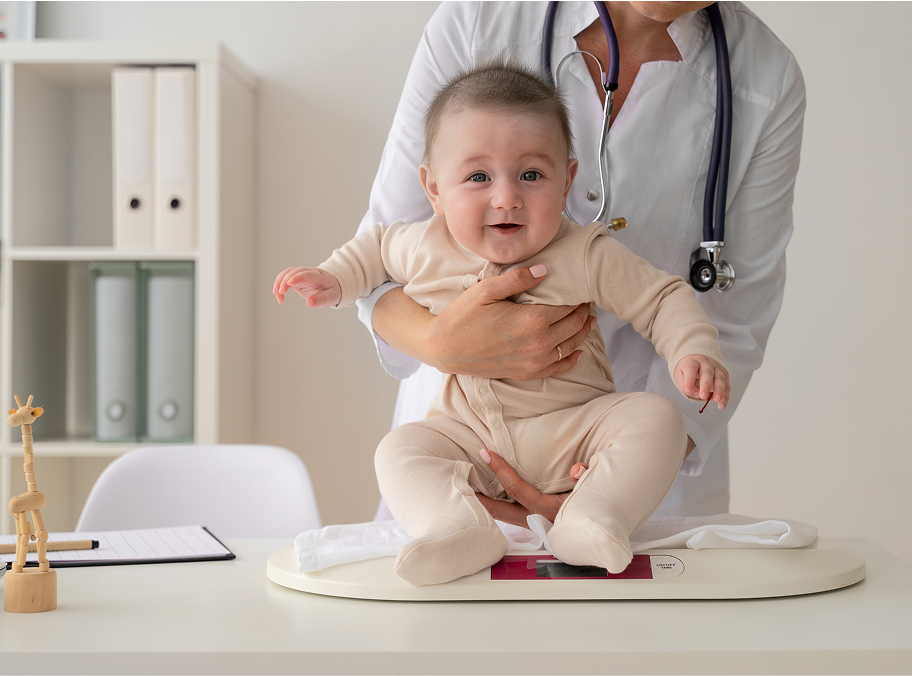
Craniofacial disorders are congenital conditions affecting the skull and facial bones, ranging from mild to severe. They’re most commonly seen in infants and children and are usually diagnosed within the first few weeks or months of life.
These anomalies can stem from various factors, including genetics, environmental exposures, and folic acid deficiency. A child may inherit certain genes, experience gene changes at conception, or be affected by substances the mother was exposed to during pregnancy. Lack of folic acid has also been linked to a higher risk of these conditions.
The Types Of Craniofacial Anomalies.
Craniofacial anomalies have symptoms that vary depending on the exact condition. The most common anomalies are cleft lips and palates, craniosynostosis, hemifacial microsomia, vascular malformation, and hemangioma; additional syndromes also affect the face, ears, eyes, or jaw. “Cleft” refers to a separation in the lip and palate, which could cause problems eating and speaking. Craniosynostosis is the premature closure of the soft spots in an infant’s skull, potentially leading to difficulties with speaking and communicating. Hemifacial microsomia is a condition in which the tissues on one side of the face are underdeveloped, causing an inability to chew. Vascular malformation refers to an abnormal growth composed of blood vessels. It could cause pain and problems with speech. Additionally, a hemangioma is a benign tumor that causes a red birthmark but does not cause pain or other symptoms.
Apert Syndrome
Characterized by an abnormal head shape, small upper jaw, and fusion of the fingers and toes.
Brachycephaly & Oxycephaly
Characterized by the disproportionate shortness of the head caused by a premature fusing of the coronal suture.
Crouzon Syndrome
Characterized by abnormalities in the skull and facial bones (Flat cheekbones and nose and short skull) caused by a fusing of both sides of the coronal suture.
Encephalocele
A condition characterized by a protrusion of the brain or its coverings through the skull.
Kleeblattschadel Syndrome
Kleeblattschadel can be detected by abnormalities of the skull and facial bones caused by a premature fusing of almost all fibrous sutures.
Craniofacial Dysplasia.
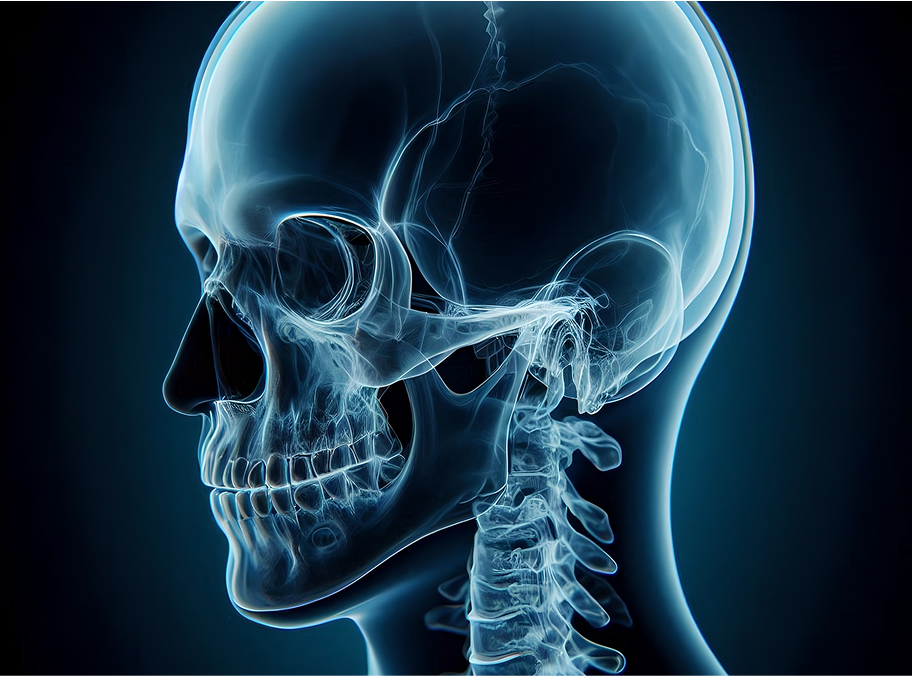
Craniofacial dysplasia, also called craniofacial fibrous dysplasia, is a rare bone disease that causes the bones and face of the skull to soften and deform. It’s closely related to fibrous dysplasia, which affects any bone in the body, most likely the long bones in the legs and arms. It commonly appears in childhood between the ages of three and 15; boys are more often diagnosed than girls. Craniofacial dysplasia may cause facial features to shift or other symptoms such as:
- Facial asymmetry
- Misaligned teeth
- Vision and hearing changes
- Congestion
- Pain or numbness
- Bone weakness in other body parts

Craniofacial Treatment Process.
Craniofacial dysplasia, or craniofacial fibrous dysplasia, is a rare bone disorder that causes the bones of the skull and face to soften and deform. It’s a form of fibrous dysplasia, which can affect any bone but often targets the long bones in the arms and legs. Typically diagnosed in children between the ages of 3 and 15, it’s more common in boys. Symptoms may include shifting facial features and other physical changes, such as:
- Facial asymmetry
- Misaligned teeth
- Vision and hearing changes
- Congestion
- Pain or numbness
- Bone weakness in other body parts
Craniofacial Treatment Process.
Craniofacial treatment is tailored to each person and often involves multiple surgeries to correct deformities, especially after trauma or tumor removal. Craniofacial orthodontics supports patients with congenital or injury-related anomalies, using a team approach. Orthodontists handle jaw and teeth alignment before and after surgery. Treatment aims to restore function and appearance through personalized surgical and orthodontic care.
Presurgical Nasoalveolar Molding (PNAM)
Reshapes the cleft lip and nose before surgical repair using custom-made appliances to approximate the lip segments and reshape the nasal cartilages gradually.
Palatal Expansion
Gradually widens the upper jaw, improving occlusion and overall function.
Orthodontic Alignment
Uses traditional braces or clear aligners for comprehensive orthodontic alignment, promoting proper function, dental health, and aesthetic harmony.
Orthognathic Surgery
It may be necessary to correct jaw imbalances or other skeletal discrepancies.
Craniofacial Treatment In Atlanta.
If you’re seeking craniofacial orthodontic care in Atlanta, Atlanta Orthodontic Specialists is the trusted choice. Our expert team provides comprehensive evaluations and personalized treatment plans, often offering early interventions that lead to better outcomes and long-term results.
We work closely with other medical professionals to ensure every aspect of your care is covered—from treatment to recovery. Even after your procedure, we stay involved to support ongoing progress in function and appearance.
With unmatched clinical experience and cutting-edge technologies like SureSmile® and INVISALIGN®, our doctors lead the way in orthodontic innovation. Visit us and see why so many patients trust AOS for life-changing craniofacial care.
Frequently Asked Questions.
At What Age Does Craniofacial Treatment Typically Begin?
Craniofacial treatment often begins early in life, sometimes within the first couple of weeks after birth for conditions like cleft lip and palate. During this time, our team may use presurgical techniques such as nasoalveolar molding before surgical repair. For other craniofacial conditions, treatment can begin in infancy or early childhood and continue in phases throughout your child’s growth, with orthodontic care, surgeries, and follow-up treatments spaced out over years.
As craniofacial conditions and their treatment needs can vary wildly, the right timing depends on your child’s specific diagnosis. Early evaluation by a team allows for a craniofacial treatment plan tailored to your child’s condition and timed to take advantage of their natural growth and development.
Will My Child Need Multiple Surgeries for a Craniofacial Condition?
For many craniofacial conditions, yes: multiple surgeries, as opposed to a single procedure, are common. This is because craniofacial treatment often needs to keep pace with a child’s growth; a surgical correction performed in infancy, for example, may need to be refined as your child’s facial structure develops through adolescence. Moreover, our team addresses different aspects of craniofacial conditions like cleft repair, jaw alignment, and orthodontic correction in separate stages, each at the optimal time for that specific intervention.
Although multiple surgeries can initially feel overwhelming to parents, our multidisciplinary team at Atlanta Orthodontic Specialists can help ensure that each step builds towards the best possible long-term outcome.
What Role Does an Orthodontist Play in Craniofacial Treatment?
Orthodontists play a critical role in craniofacial care, working alongside surgeons and other experts throughout the treatment process. Before surgical procedures, an Atlanta orthodontist will need to align your child’s teeth and jaws to prepare for surgery. This is similar to the preparatory work done before orthognathic surgery. Following the procedure, orthodontic treatments continue to help fine-tune the bite and alignment as healing progresses and your child grows. For some craniofacial conditions, orthodontists may also use tools like palatal expanders to address jaw width issues that contribute to the overall craniofacial presentation.
As craniofacial treatment lasts for years, your Atlanta orthodontist will become one of the most consistent members of your child’s care team.
Are Craniofacial Conditions Always Visible at Birth?
Not always. While many craniofacial conditions like cleft lip and palate are visible at birth, others may not become evident until later in infancy or early childhood as growth patterns emerge. Conditions like craniosynostosis, for example, become apparent when a baby’s head shape doesn’t develop as expected. Nevertheless, this isn’t obvious in their first few days of life. Similarly, conditions like craniofacial dysplasia are usually diagnosed later in childhood, often between the ages of 3 and 15. During these years, symptoms like facial asymmetry and misaligned teeth often first become noticeable.
This reality is one of the reasons why ongoing pediatric checkups, including dental and orthodontic assessments, are so valuable. Scheduling a pediatric orthodontics consultation provides an opportunity to catch developing craniofacial concerns that may not have been apparent at birth.
Is Craniofacial Treatment Covered by Insurance?
Insurance coverage for craniofacial treatment depends on your child’s specific condition, the treatments involved, and your individual insurance plan.
Most insurance providers view craniofacial conditions as medical, not aesthetic, as they can impact functions like eating, breathing, and speech. Thus, many aspects of treatment have a reasonable likelihood of receiving insurance coverage, particularly when there’s documented functional impairment. That said, medical and dental insurance coverage can differ greatly, and certain components of treatment (just like specific orthodontic appliances) may fall into gray areas.
At Atlanta Orthodontic Specialists, we work closely with families to help them navigate insurance questions and identify financing options, when necessary.
What Should I Expect at a Craniofacial Consultation?
The initial craniofacial consultation centers around information-gathering and building a clear picture of your child’s conditions and needs. To that end, our team will review medical and family history, perform a thorough evaluation, and discuss any concerns you may have as a parent.
As craniofacial treatment often involves multiple specialists, this first visit is also where we begin coordinating with other members of your child’s care team, including surgeons and pediatricians.
Rather than walking away with a single, fixed treatment plan, expect the first visit to be the starting point for an ongoing, flexible, and personalized roadmap.
Get Your Free Consultation.
Start the journey toward a straighter smile today!