Sleep Apnea Treatment for Adults and Children.
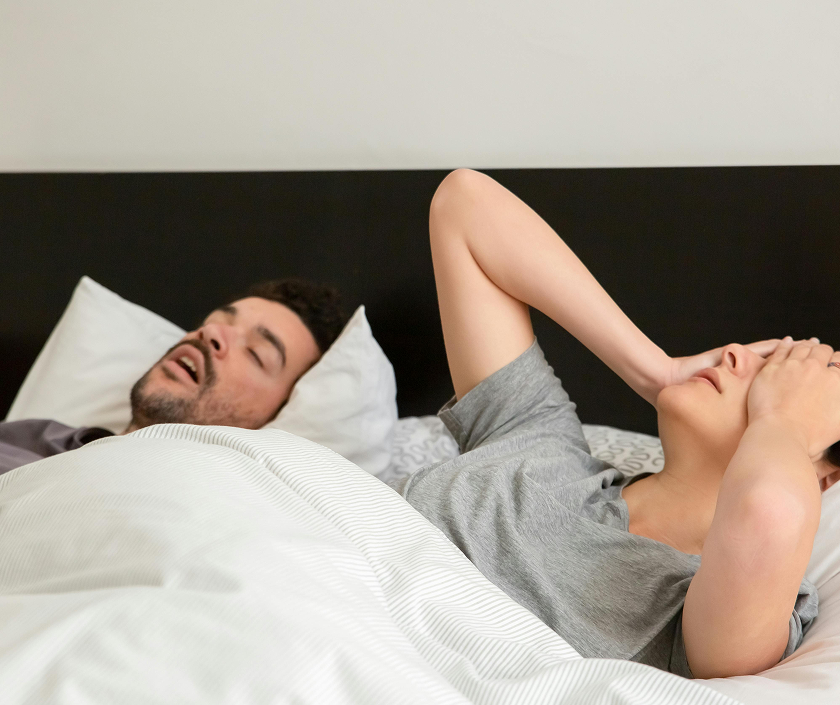
Loud snoring or waking up gasping? You might have sleep apnea—a serious condition where breathing stops during sleep.
Atlanta Orthodontic Specialists offers sleep apnea treatment in Atlanta for both kids and adults. Early treatment in children can correct airway issues for life, and adults have effective options too for better, safer sleep.
What is Sleep Apnea?
Sleep apnea is a potentially dangerous sleep disorder in which breathing stops and starts while you’re asleep. Most cases of sleep apnea are caused by obstructions or malformations in the airway, such as enlarged adenoids, a deviated septum, tongue ties, tooth and jaw misalignment, and issues with the dental arch.
Orthodontic Treatments For Sleep Apnea.
For sleep apnea patients, we often recommend expanders, especially for children. Expanding the roof of the mouth also widens the nasal passages, allowing better airflow and reducing airway collapse during sleep. We work with an interdisciplinary team of dentists, oral surgeons, and sleep medicine doctors to help treat patients.
In adults, expanders are less effective, so other treatments may be needed. In rare cases, orthodontic surgery is an option. We can also create sleep appliances as CPAP alternatives, though they may shift teeth and are used sparingly. We also work with myofunctional therapists, speech therapists, ENTs, and pediatric dentists to evaluate these issues in children.
Symptoms of Sleep Apnea.
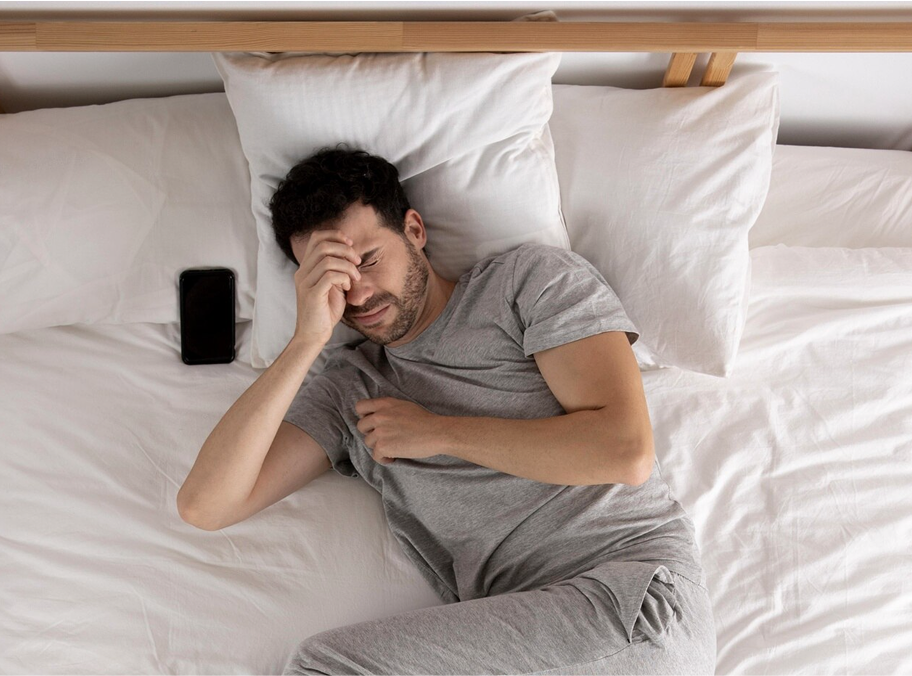
Sleep apnea patients often don’t realize they have sleep apnea because it happens—as the name would imply—while they’re asleep. But there are some signs you can look for while you’re awake, or ask your partner if they’re noticing these issues when you sleep.
Symptoms of sleep apnea include:
- Snoring
- Moments when you stop breathing during the night, then gasp for air
- Waking up with a dry mouth
- Waking up with a sore throat
- Experiencing headaches in the morning
- Problems staying asleep
- Daytime fatigue, even after a full night’s sleep
Frequently Asked Questions.
Can an Orthodontist Help With Sleep Apnea?
Yes—it might be surprising, but your Atlanta orthodontist can actually play a meaningful role in treating sleep apnea, particularly if the root cause is structural. Many cases of sleep apnea stem from issues with patients’ jaws, airway arches, or airway anatomy—all of which fall within an orthodontist’s scope of practice.
At Atlanta Orthodontic Specialists, we use CBCT imaging to evaluate your airways and determine whether orthodontic treatments like palatal expanders could improve airflow and reduce airway collapse during sleep. If your condition requires additional care, we partner with an interdisciplinary team of ENTs, sleep medicine doctors, oral surgeons, and myofunctional therapists.
How Do I Know if My Child Has Sleep Apnea?
Symptoms of sleep apnea in children don’t always resemble those in adults. Rather than loud snoring and daytime fatigue, your child may show behavioral symptoms that can resemble other issues, such as difficulty concentrating, hyperactivity, bedwetting, and poor academic performance. Physical signs to look out for include mouth breathing, restless sleep, and unusual sleep positions like sleeping with their head tilted back.
If your child often snores or seems chronically tired despite getting enough sleep, it’s worth booking a sleep apnea screening in Atlanta. Catching airway issues early provides lifelong benefits.
What Is the Connection Between Jaw Structure and Sleep Apnea?
The structure of both your jaw and dental arch has a direct impact on the size and shape of your airway. A narrow palate limits the available space for your tongue and soft tissues at the back of your throat. This increases your likelihood of experiencing airway collapse while sleeping.
Other conditions like tooth and jaw misalignment, tongue ties, and bite issues can also contribute to obstructive sleep apnea by reducing airway space and affecting how your tongue rests while sleeping. Thus, orthodontic evaluation is an important part of creating a plan for sleep apnea treatment, particularly in children whose jaw development is still ongoing.
Is a Palatal Expander an Effective Treatment for Sleep Apnea?
For many children with structural issues in their jaw, palatal expanders can be one of the most effective forms of sleep apnea treatment. Besides creating additional space for teeth, widening a patient’s upper jaw widens the nasal passages, improving airflow and reducing the frequency of nasal obstruction during sleep. As children’s palate bones haven’t fully fused, expansion is generally a straightforward method to treat sleep apnea in children.
For adults with fully fused palate bones, traditional expanders are less effective. In these cases, other treatment approaches like sleep appliances and surgical remedies may be more appropriate.
What Are Sleep Appliances, and Are They Effective Alternatives to CPAP?
Simply put, sleep appliances are fitted oral devices that patients wear during sleep to reposition their jaw or tongue and help keep their airway open. They’re an effective alternative to CPAP machines for patients with obstructive sleep apnea, particularly those who struggle with CPAP compliance.
At Atlanta Orthodontic Specialists, we use sleep appliances for specific cases, as using them for extended periods can cause teeth to shift over time. If you’re looking for CPAP alternatives, an orthodontic evaluation can help you determine whether a sleep appliance could be a viable option for your specific case.
Does Sleep Apnea Go Away on Its Own in Children?
There are some cases where children outgrow mild sleep apnea as their airways develop. That said, this isn’t something to count on, nor should you wait for symptoms to dissipate without a professional evaluation.
The symptoms of untreated sleep apnea in children can lead to a variety of problems, including behavioral issues, learning difficulties, and cardiovascular strain. If your child has a narrow palate, jaw misalignment, or some other structural cause behind their sleep apnea, early orthodontic treatment can correct the underlying issue as opposed to just managing symptoms.
In general, the sooner you identify airway issues in your child, the more treatment options will be available, and the simpler they will be.
What Happens if Sleep Apnea Goes Untreated?
Contrary to what many people believe, sleep apnea is more than just a discomfort—the interruptions to your oxygen flow it causes place significant stress on your cardiovascular system. When untreated, this can lead to a range of health issues, including high blood pressure, heart disease, stroke, type 2 diabetes, and depression.
Beyond these long-term health risks, putting off sleep apnea treatment can impact your quality of life in more immediate ways. Chronic fatigue, difficulty concentrating, mood disturbances, and strain on relationships are all common complaints we hear from patients.
If you’re experiencing sleep apnea, getting evaluated soon rather than later will allow you to live a happier and healthier life, no matter your age.
Get Your Free Consultation.
Start the journey toward a straighter smile today!