Orthognathic Surgery In Atlanta.
If your jaw causes you problems eating and speaking, or you feel pain in the area while doing basic things, your nerves are trying to communicate with you, and you need to listen. Once you’re listening, schedule an appointment with your orthodontist to discuss your pain. They’ll look at your jaw and offer advice on the best steps to take from here. If the problem is severe enough, be prepared for the possibility that they may recommend orthognathic jaw surgery. But what is orthognathic surgery?
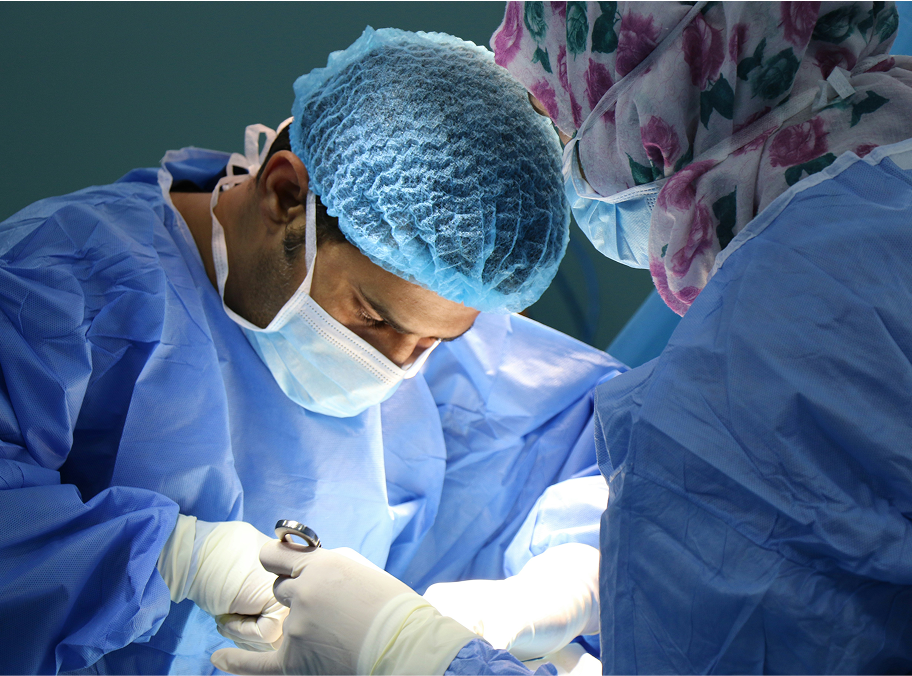
What Is Orthognathic Surgery?
Orthognathic surgery is a series of treatments rather than one event. According to the Cleveland Clinic, it’s a process that includes prep for jaw surgery, the actual surgery, recovery, and post-surgery treatments for up to a year. Essentially, this surgery will help correctly align your upper and lower jaw, improving how they work and your facial appearance.
When considering orthognathic jaw surgery, it’s important to understand what it entails fully. Your dental care provider should explain their recommendations to fix your problem, considering any goals you may have in mind. Their recommendations will also consider your overall health and any concerns your condition has raised. Remember that it’s a lengthy process; come prepared to the consultation with questions.
How Much Does It Cost?
A nationwide survey conducted by RealSelf determined that the average cost of all jaw surgery types is $16,650, with complex procedures ranging upwards of $50,000. The severity of your issues is a significant factor in orthognathic surgery cost; the bigger the problem, the bigger the cost. In some cases, your surgery will be covered by insurance if functional issues can be documented and there are no exclusions on your insurance plan. Other factors that affect your surgery’s cost include:
- Geographic location
- Surgeon’s fee
- Hospital or surgical facility costs
- Anesthesia fees
- Prescriptions for medication
- Medical tests


Benefits Of Orthognathic Surgery.
Generally, jaw problems are present at birth or are caused later in life by an injury or medical condition. Examples of jaw problems caused by injuries or medical conditions include facial fractures, obstructive sleep apnea, temporomandibular joint (TMJ) disorders, cysts or tumors, and growth disturbances. Jaw surgery may be the right option if you have problems that cannot be resolved through orthodontics alone. Orthognathic surgery can produce lifelong results and may help:
- Improve chewing, swallowing, biting, and speaking
- Correct problems with swallowing or speech
- Minimize excessive wear and breakdown of the teeth
- Correct bite fit or jaw closure issues
- Cleft lip and palate
- Pierre Robin sequence
- Improve sleep
- Correct facial asymmetry (such as small chins, underbites, overbites, and crossbites)
- Improve lip closure
- Relieve temporomandibular joint pain
- Repair facial injury or congenital disabilities
- Provide relief for obstructive sleep apnea
- Improve self-esteem
Before And After Orthognathic Surgery.
The first step in your jaw surgery journey is scheduling a consultation. You’ll meet our team at your initial consultation, learn more about the process, receive a complete exam, and determine which treatment options suit you. During this time, we’ll:
- Review your dental and medical history forms
- Provide a complete oral exam, with X-rays, to determine whether treatment is necessary
- Help you create a customized treatment plan
- Discuss all financial information, insurance options, and payment plans
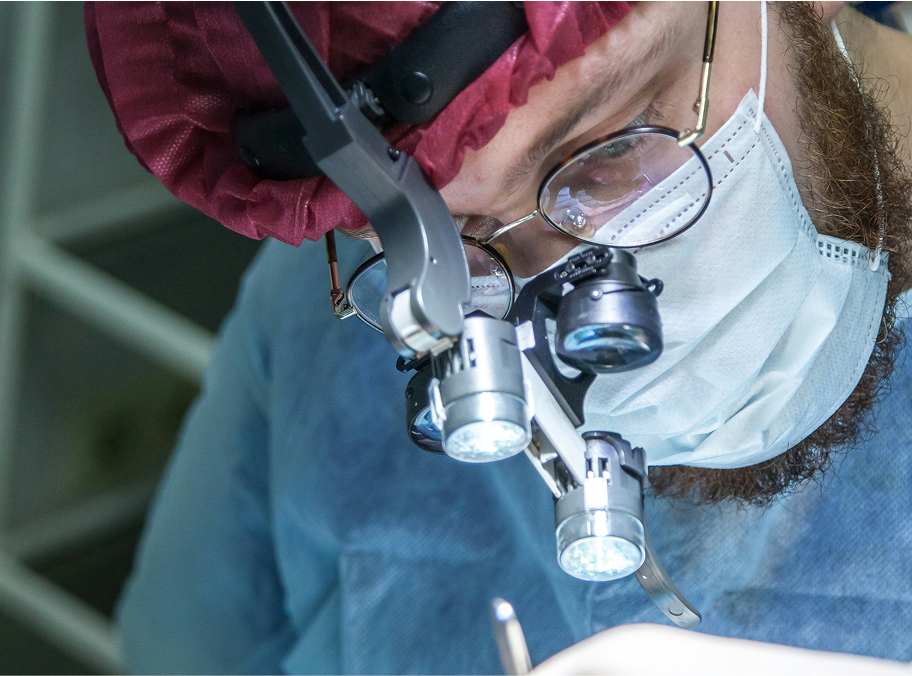
The orthognathic surgery before-and-after timeline will vary, but it will be lengthy, potentially taking up to three years to complete. To prepare, your orthodontist will put braces on your teeth for 12–18 months. This is to ensure your teeth are correctly aligned ahead of time. Aside from braces, a lot of work goes into preparations. Tests and steps your care provider may take include X-rays, computed tomography (CT) scans, teeth and jaw photographs, teeth impressions for a dental model, and additional scans. In some instances, if your teeth fit together in a way they shouldn’t, they may need to be reshaped, covered with crowns, or both; they may also be removed.
In the immediate days preceding your jaw surgery, your provider may restrict your food and liquid intake to only those you don’t need to chew. It’s important to note that orthognathic surgery requires general anesthesia, which may be affected by your diet. Consult with your doctor to ensure you’re doing everything right, leading up to your admittance to the hospital. You may be required to stay overnight for up to four days for monitoring. After the orthognathic surgery, braces will again be put on until healing and alignment are complete.

Orthognathic Surgery Recovery Process.
Orthognathic surgery recovery varies, but most people take about six weeks at home before resuming normal activities. Light exercise may be possible—check with your doctor first. Post-op instructions often include oral hygiene, avoiding tobacco and strenuous activity, taking pain meds, and guidance on returning to work.
Eating normally isn’t advised; stick to smoothies, bone broths, and juices to maintain nutrition. Expect pain, swelling, difficulty eating, and adjusting to facial changes. Full healing typically takes 12 weeks, though in severe cases, it may take up to a year.
Orthognathic Surgery In Atlanta.
For over 45 years, Atlanta Orthodontic Specialists has been the trusted name in orthognathic surgery and orthodontic care in Atlanta. Our family-friendly, state-of-the-art practice is staffed by highly trained professionals and led by doctors with unmatched clinical experience in Georgia. Atlanta Orthodontic Specialists has been at the forefront of treatment innovation, introducing Atlanta to SureSmile 20 years ago—benefiting over 2,000 patients—and also offers advanced options like Invisalign® to ensure faster, more effective results with fewer visits. We also treat patients with Down Syndrome and who are on the Autism spectrum.
If you’re considering orthognathic surgery, make Atlanta Orthodontic Specialists your first call. From diagnostics to aftercare, our team will guide you through every step with exceptional care and expertise. Schedule your consultation today and take the first step toward your best smile.
Frequently Asked Questions.
Will I Need Braces Before and After Orthognathic Surgery?
Yes—braces are an accompanying requirement of orthognathic surgery, both before and after the procedure.
Before surgery, most patients wear braces for between 12 and 18 months to align their teeth into the correct positions. While this can temporarily make your bite feel worse, this step is essential, as it ensures your teeth fit properly before the surgery repositions your jaw. Following the procedure, your Atlanta orthodontist will place braces again to fine-tune your bite and make any final adjustments as your jaw heals.
While the timeline can feel lengthy, each phase plays an important role in achieving both functional and long-lasting results.
How Painful Is Jaw Surgery Recovery?
Many patients who need jaw surgery in Atlanta wonder about pain during recovery. While there is real discomfort, proper care and pain management techniques can help offer relief.
In the days following your surgery, expect to experience swelling, soreness, and difficulty opening your mouth. Most patients find the first week the most challenging and uncomfortable, which is why your Atlanta orthodontist will prescribe pain medication. Over the next few weeks, you can expect to see gradual improvements as your jaw heals.
By week six, most people can resume their normal activities, but full healing of the jawbone itself can take up to a year. Following your post-operation instructions, particularly as they pertain to diet and activity restrictions, can make a significant difference in how smoothly your recovery progresses.
Will My Insurance Cover Orthognathic Surgery?
Insurance coverage for orthognathic surgery depends on your specific policy and whether the procedure is considered cosmetic or medically necessary.
If you have a history of documented, functional problems with your jaw, such as difficulty chewing, speech issues, or obstructive sleep apnea, there’s a chance your policy will cover at least a portion of the cost, provided there aren’t any exclusions in your specific plan. If you’re pursuing the surgery for cosmetic reasons, however, the chance of coverage is lower. In general, pre-authorization offers the best chance of receiving coverage, so plan on speaking with your insurance provider before the procedure.
At Atlanta Orthodontic Specialists, we’ll help you understand what documentation you need to support any insurance claims, as well as walk you through options for financing any jaw surgery costs that insurance will not cover.
Will Orthognathic Surgery Change My Appearance?
Yes. Orthognathic surgery repositions your jaw, often producing noticeable changes to facial appearance. The good news is that, for most patients, these changes are positive.
Correcting an underbite, overbite, or facial asymmetry can often result in improved facial balance, a more defined jawline, and better proportion between the upper and lower parts of your face. That said, the degree of these changes can vary wildly, depending on the severity of your original condition and the specific corrections you need.
During your Atlanta jaw surgery consultation, your orthodontist and surgical team will discuss what results you can expect. In some cases, our team can even use imaging technology to help you visualize potential results before you commit to the treatment.
Is Orthognathic Surgery Only for Severe Cases?
Typically, yes—orthodontists reserve orthognathic surgery for severe cases where the jaw discrepancy is too significant to correct with braces or other standard orthodontic appliances.
If your bite issues, facial asymmetry, or functional problems stem from skeletal misalignment (meaning that your jawbones themselves are positioned incorrectly, not just your teeth), surgery may be the only way to achieve a fully corrected result. Nevertheless, severe doesn’t mean rare, and skeletal jaw discrepancies are more common than people realize. For many patients, their issues have been present since birth or have developed during adolescent growth.
If you’re unsure whether your case requires jaw surgery in Atlanta, an evaluation with an orthodontist from our team can clarify whether orthodontics alone are sufficient, or whether a surgical referral makes sense.
What Happens If I Don’t Get Recommended Jaw Surgery?
If you have significant skeletal jaw discrepancies, declining recommended orthognathic surgery will not make the underlying problem go away. On the contrary, it can cause issues to worsen over time.
Untreated jaw misalignment can lead to excessive wear on teeth, ongoing TMJ pain, chronic headaches, and continued difficulty with breathing, chewing, and speaking. For patients with obstructive sleep apnea linked to jaw structure, associated health risks like cardiovascular strain can also persist.
While jaw surgery in Atlanta is a significant undertaking, it can resolve problems that would otherwise continue to affect daily life and long-term health. Your Atlanta orthodontist can help you understand any specific risks of forgoing surgery in your specific case.
Get Your Free Consultation.
Start the journey toward a straighter smile today!