Retainer Doesn’t Fit? Here’s What to Do (And What to Avoid)
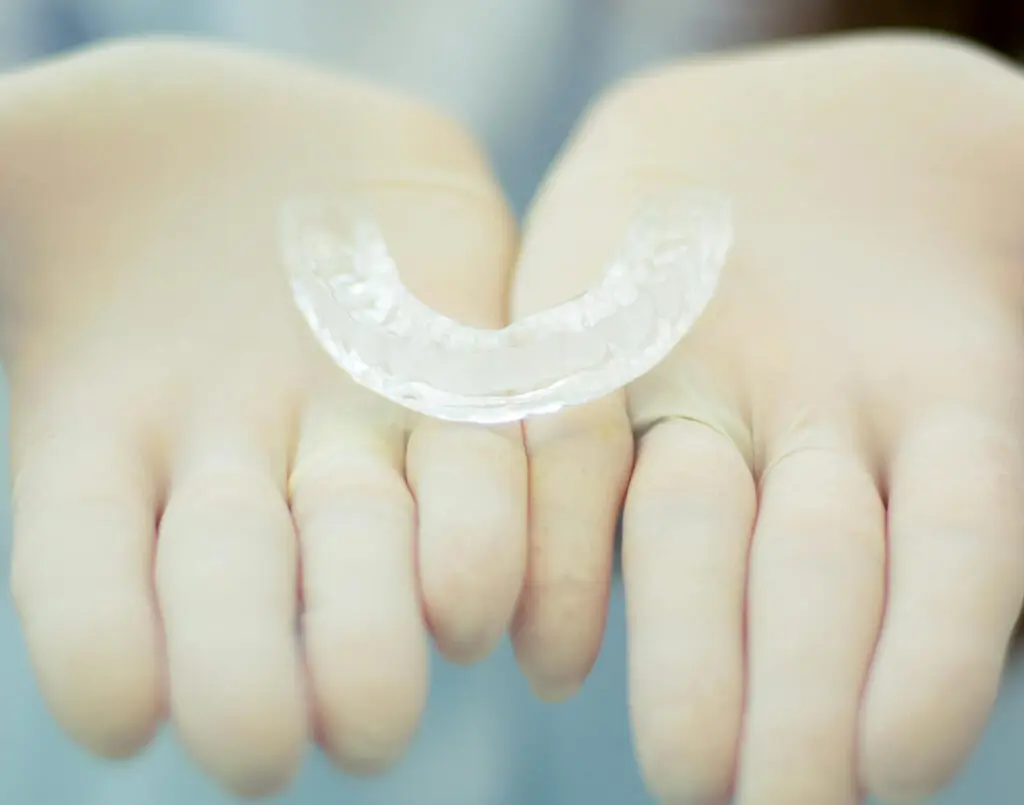
You’ve gone through your orthodontic treatment, and now, you have just one final hurdle to clear: a retainer. While less understood than braces, retainers play an important role in orthodontics – by preventing your teeth from returning to their original positions, they help ensure your treatment achieves long-lasting results. But what should you do if you feel your retainer doesn’t fit?
It’s normal for your retainer to feel tight, and oftentimes, simple at-home troubleshooting can alleviate any feelings of discomfort. That said, there are times when you’ll want to reach out to your orthodontist to ensure your treatment’s success.
Our team of experts at Atlanta Orthodontic Specialists has provided top-notch orthodontic care to the Atlanta community for over 40 years. In this post, we’ll break down everything you need to know about what to do if your retainer doesn’t fit.
How a Retainer Should Fit: The Gold Standard
How are retainers supposed to fit? That’s a common question our patients ask, and before discussing why one might not fit and what to do about it, it’s worth understanding what wearing a retainer should feel like.
Many patients report feeling a small amount of tugging or pressure when they first begin wearing a retainer, but that should subside within a few days. The feeling is similar to the tightness felt after a brace adjustment and is a normal part of the treatment process.
Following the adjustment period, your retainer should feel snug, but not uncomfortably so. You shouldn’t experience headaches, pain, or irritation in any part of your mouth. If you do – or if your retainer is loose or wobbly – you’ll want to contact your orthodontist to ensure your retainer is working as intended.
Top Reasons Why Your Retainer No Longer Fits
How to know if your retainer doesn’t fit? As mentioned, your retainer should feel snug, but you shouldn’t feel excessive tightness, looseness, or discomfort when wearing it. If you do, it may be on account of:
Shifting Teeth
Most people don’t necessarily enjoy wearing a retainer, but recognize it as an important step on the path to achieving a healthier, more beautiful smile. However, seeing it as a burden causes some patients to wear their retainers less frequently than they should. Unfortunately, as your retainer works to keep your teeth in their new, corrected positions, not wearing it enough can create an incompatibility between the hardware and your mouth.
Shifting teeth – or, more specifically, your teeth reverting to their original positions – is one of the most common reasons why a retainer doesn’t fit.
Damaged Retainer
Be honest – have you ever treated your retainer in a way you’d be embarrassed to tell your orthodontist? Maybe you cleaned it with harsh chemicals, left it in a glass of hot water for too long, or maybe you even stepped on it. Regardless of what exactly took place, if your retainer has been through the wringer, it may now be damaged.
A damaged or warped retainer will often struggle to hold your teeth in place. In such a case, you’ll want to contact your orthodontist sooner rather than later.
Dental Changes
Sometimes, the problem isn’t your teeth reverting to their original positions, but your mouth undergoing other changes. Cavities, impacted wisdom teeth, and gum disease are common conditions that can affect the positions of your teeth.
If you’re experiencing any of those conditions – or suspect that you might be – you’ll want to treat the underlying issue to ensure your orthodontic treatment progresses correctly.
Troubleshooting at Home: Safe Steps to Try
So, if you suspect that it’s ill-fitted, how to make your retainer fit at home? Is there anything you can do to restore its fit yourself? The short answer is: in some cases, yes.
If your retainer feels too tight or loose, try placing it in a glass of warm (not hot) water for a few seconds. This will make it more pliable and, potentially, help it fit better in your mouth. Following its soak, try gently pressing your retainer against your teeth for a couple of minutes. Doing so can help adjust it back into place.
For patients experiencing excessive tightness, try gradually increasing the amount of time you wear your retainer. This can help your teeth return to their corrected positions, hopefully causing your retainer to feel just the right amount of snug.
When to Stop DIY and Call Your Orthodontist
Ultimately, at-home DIY treatments can only do so much. While soaking your retainer in warm water and gradually increasing the amount of time you wear it can sometimes help it fit better, there are other times when you’re better off contacting your orthodontist.
Contact your orthodontist if you experience or observe:
- Persistent looseness or tightness
- Pain or discomfort that doesn’t dissipate
- Shifted teeth that feel far out of alignment
- A retainer that appears warped, cracked, or otherwise damaged
- A persistent foul smell
Your orthodontist has the expertise needed to problem-solve any issues, preventing the undoing of your treatment.
What Your Orthodontist Can Do: Professional Solutions
Depending on the issue, your orthodontist may treat an ill-fitted retainer in one of several ways. This includes:
- Adjusting the existing retainer by bending the wires or acrylic
- Creating a new retainer in cases of extensive damage
- Recommending retreatment (often via clear aligners, like Invisalign) when significant teeth shifting has occurred
Prevention is Key: How to Avoid Future Fit Problems
Wondering what you can do to avoid fitting issues in the future? Here are some steps you can take to ensure your retainer lives a long and happy life:
Wear Your Retainer Consistently
It’s imperative to wear your retainer as often as your orthodontist recommends, particularly when you first get it. Wear it consistently to achieve optimal results and prevent regression.
Clean It Often
Plaque and bacterial buildup can sometimes lead to an improper fit, as well as cause other dental concerns. Make sure to clean your retainer daily with a soft toothbrush and a gentle solution, avoiding harsh ingredients and hot water that can lead to warping.
Store It Properly
When you’re not wearing your retainer, store it properly by placing it in a protective case. Doing so can help protect it from getting damaged.
Don’t Risk Your Smile Investment
As you approach the finish line of your orthodontic treatment, a retainer will help you finish out strong by holding your teeth in their new, corrected positions. During this process, it’s normal to feel subtle tightness as your teeth try to shift back to their original positions.
While soaking your retainer in warm water and gradually wearing it for longer periods can alleviate discomfort, DIY solutions have their limits. If the discomfort is severe or your retainer no longer seems to be a match for your mouth, you’ll want to schedule an appointment with your orthodontist as soon as possible.
If you’re in the Atlanta area and your retainer doesn’t fit, don’t wait. Contact the experts at Atlanta Orthodontic Specialists today. We’ll provide a quick assessment and get your smile back on track.