What Jaw Pain Means
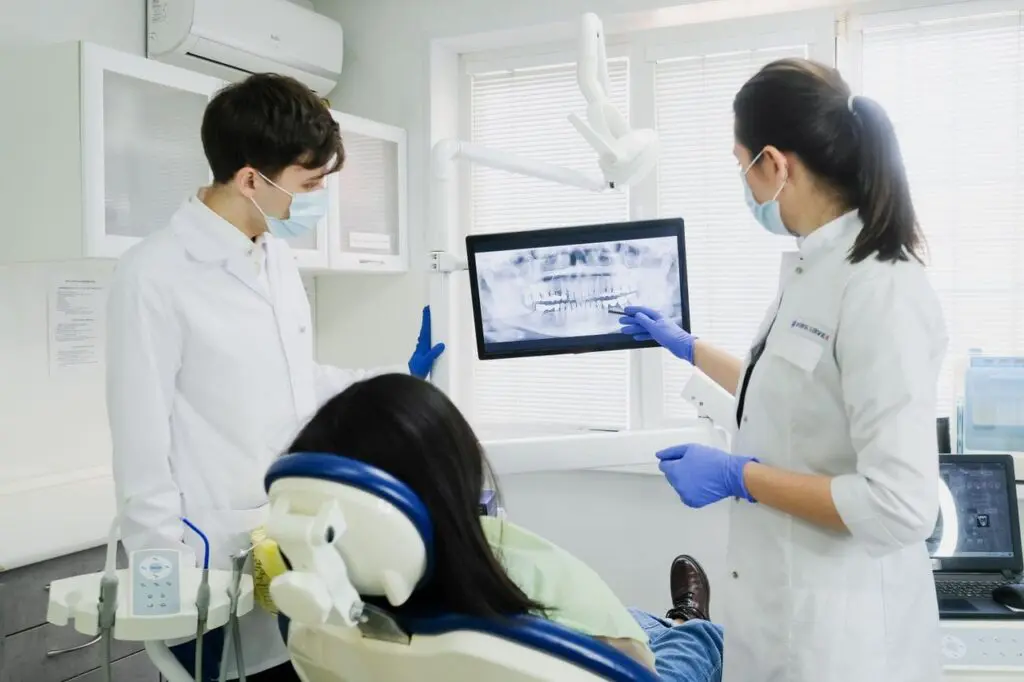
While minor jaw pain is unpleasant, it’s also fairly common. Many people experience discomfort after chewing tough foods or during particularly stressful periods of their lives. However, when the pain becomes chronic or severe, and you’re constantly wondering why does my jaw hurt?, there may be an underlying condition at play.
At Atlanta Orthodontics, we’ve helped patients diagnose and treat their jaw pain for decades. From common causes to how orthodontic care can offer relief, today we’re covering everything you might wonder about jaw pain.
Where Is Your Jaw Pain Located? (Symptom Breakdown)
If you’re wondering why does my jaw hurt?, it’s important to recognize that not all jaw pain is created equal.
The location of your discomfort can provide insight into what may be causing it:
- Chewing muscles: Often caused by teeth clenching or grinding; frequently linked to stress or an uneven bite
- Temples, forehead, and around the eyes: Tension from the TMJ (temporomandibular joints) can radiate upward to other parts of your face
- One side of the jawbone: Dental issues like cavities and cracked teeth can cause sudden, stabbing pains
- In front of the ears: Often linked to TMD (Temporomandibular Joint Disorder)
- Chest or shoulder pain that spreads to your jaw: When accompanied by other symptoms like shortness of breath or chest tightness, call 911—it may be an early sign of a heart attack
Common Causes of Jaw Pain
Orthodontic issues are a common cause of jaw pain. Many of our patients who experience jaw pain have the following conditions:
Crooked Teeth
Patients with crooked teeth sometimes experience jaw pain because misalignment can place additional pressure on the temporomandibular joints and surrounding muscles. The jaw compensates by unnecessarily shifting, often leading to cumulative strain.
Crossbite
A crossbite is when your upper teeth sit inside your lower teeth. This unnatural position puts additional strain on your jaw joints and chewing muscles, often causing chronic pain.
Open Bite
Patients whose upper front teeth don’t meet their lower front teeth have an open bite. This places excess stress on your molars, causing uneven pressure and muscle compensation.
TMJ Disorders: A Leading Cause of Jaw Pain
TMJ disorders (TMD) affect the temporomandibular joints that connect your jawbone to your skull. More common in women, most symptoms first appear between the ages of 20 and 44, with symptoms including:
- Pain or tenderness in your jaw or face
- Clicking, popping, or grating sounds when you open or close your mouth
- Difficulty or pain when chewing, yawning, or speaking
- Headaches, earaches, or ringing in the ears
If you’re wondering why does my jaw hurt when I chew, it may be because of TMD.
Teeth Grinding and Jaw Pain
Involuntarily grinding or clenching your teeth is a common contributor to jaw pain. This often occurs during sleep, but can extend to waking hours.
Patients who grind their teeth frequently experience jaw and muscle soreness, tooth sensitivity, and morning headaches. Anyone wondering why does my jaw hurt when I wake up?, may be grinding their teeth at night.
Stress and anxiety, sleep disorders, and TMD are some of the most common causes of teeth grinding we see.
Bite Problems That Cause Jaw Pain
Bite problems can also cause jaw discomfort. Specific issues worth considering include:
Underbite
When your lower teeth sit in front of your upper teeth, you have an underbite. This can cause additional stress and tension on your TMJ and surrounding facial muscles.
Teeth Crowding
Overlapping or misaligned teeth, also known as teeth crowding, disrupts your bite, putting uneven pressure on your joints and muscles.
Midline Discrepancy
A midline discrepancy occurs when the center line of your upper front teeth doesn’t match the center line of your lower front teeth. This can strain your muscles, causing TMJ discomfort.
Jaw Pain While Chewing
Why does my jaw hurt when I chew?
If eating leads to discomfort, you likely have inflammation or strain in your jaw joint or surrounding muscles. Teeth grinding, dental issues, and TMD are common causes.
For short-term relief, soft foods like yogurt and soup can be easier on your jaw, while heat, ice, and gentle massages can help alleviate discomfort. That said, it may be time to schedule an appointment with your local orthodontist, as they can help you find a long-term solution.
Jaw Pain on One Side
Jaw pain on one side of your mouth isn’t uncommon. Many patients who experience it have underlying issues present, including:
- TMJ/TMD
- Teeth grinding
- Dental issues like cavities or wisdom teeth irritation
- Sinus inflammation
Can Stress Cause Jaw Pain?
Stress is a common, direct cause of jaw pain.
Hormones like cortisol and adrenaline can trigger muscle tension throughout your body, including in your jaw, face, neck, and shoulders. Stress can also lead to teeth clenching during the day and grinding at night. Some patients also develop TMD from prolonged periods of severe stress.
Jaw Pain and Headaches
Headaches and jaw pain often accompany one another. As TMD affects your jaw joints and surrounding muscles, this discomfort can radiate upward to other parts of your head and face.
If you experience jaw and face pain along with dull, aching headaches, TMD may be to blame.
Airway Problems and Jaw Pain
Jaw pain and airway problems frequently go hand-in-hand because your TMJ, jaw muscles, tongue, and upper airways function as a single system. When an issue occurs downstream, this can cause subsequent problems further along.
Nasal congestion can lead to mouth breathing, teeth clenching and grinding, and forward-head posture, all of which can cause jaw pain. Allergy treatment and airway dentistry can often offer relief.
How Orthodontic Treatment Can Help Jaw Pain
Whether you’re wondering why does my jaw hurt when I yawn, chew, or wake up, orthodontic treatment can almost always help:
TMJ
Orthodontics addresses TMJ discomfort by resolving the issue causing it. Braces or aligners can help with issues like teeth crowding and jaw misalignment, while night guards can keep you from grinding your teeth at night.
All of these treatments can reduce pain, realign your jaw, and protect your temporomandibular joint.
Sleep Apnea
Orthodontic treatment can help treat sleep apnea, keeping your airways clear and eliminating persistent jaw pain.
Orthognathic Surgery
Why does my jaw hurt when I chew, you wonder? Orthognathic surgery may be able to help.
If your orthodontist determines that simple fixes aren’t enough, they may recommend this series of treatments that work to align your upper and lower jaw. While slightly more invasive than other forms of orthodontic care, most patients experience a drastic quality of life improvement after the surgery.
How Jaw Pain Is Diagnosed
At Atlanta Orthodontics, diagnosing jaw pain is straightforward and painless.
It starts with you booking a consultation to share your symptoms, concerns, and goals. We’ll then conduct a thorough orthodontic assessment to provide an expert diagnosis. You’ll walk out the door with a plan detailing the treatment timeline, costs, and an understanding of how we’ll help you find relief.
Prevention Tips
If you have an underlying condition, jaw pain isn’t something you can prevent. While avoiding overchewing and correctly resting your jaw (tongue on the roof of your mouth; mouth closed; teeth slightly apart) can help, orthodontic care can provide you with true, long-lasting relief.
With five locations across the Atlanta Metro, our team of orthodontic experts is here to alleviate your jaw pain once and for all. Book a consultation with us today!