Habit Appliances for Children.
At Atlanta Orthodontic Specialists, we’ve helped countless Atlanta children overcome bad habits such as thumb-sucking and tongue-thrusting in the past 45 years. Now, we’re helping their children do the same, for generations of happy patients and beautiful smiles!
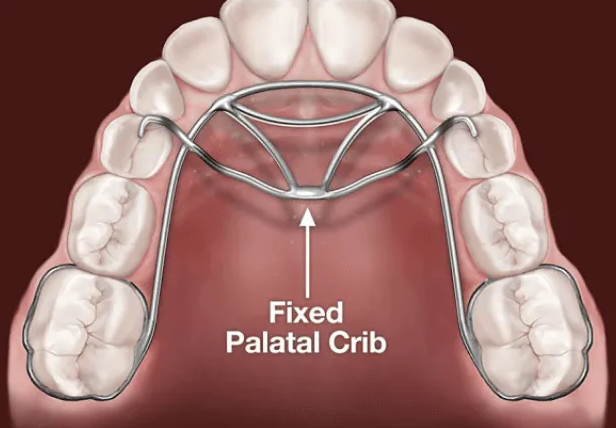
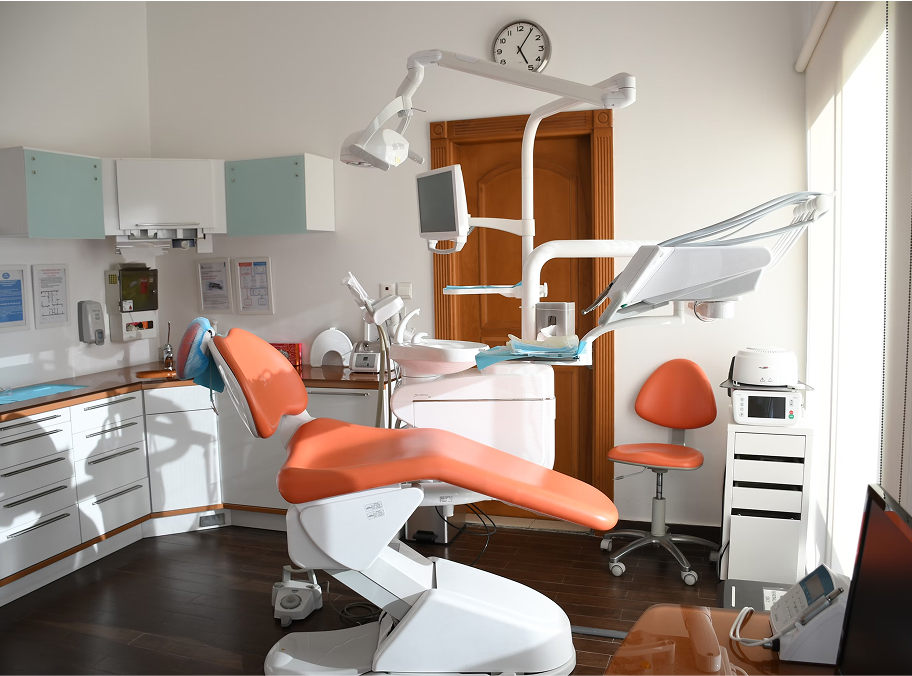
How Does a Habit Appliance Work?
A habit appliance is a painless and drama-free way to finally rid your child of behaviors that can adversely affect their oral development—such as thumb sucking and tongue thrusting. Though these behaviors are common in very young children, if they continue past the first few years of life, they can cause an improper bite.
The habit appliance—chosen specifically to address your child’s unique situation, age and growth—will be temporarily secured into your child’s mouth and affixed to their teeth so it doesn’t come out and get lost. It does not change the shape of your child’s mouth or teeth. The habit appliance’s job is to make the act of tongue thrusting or thumb sucking slightly uncomfortable and more difficult, which subtly discourages your child from continuing with the behavior.
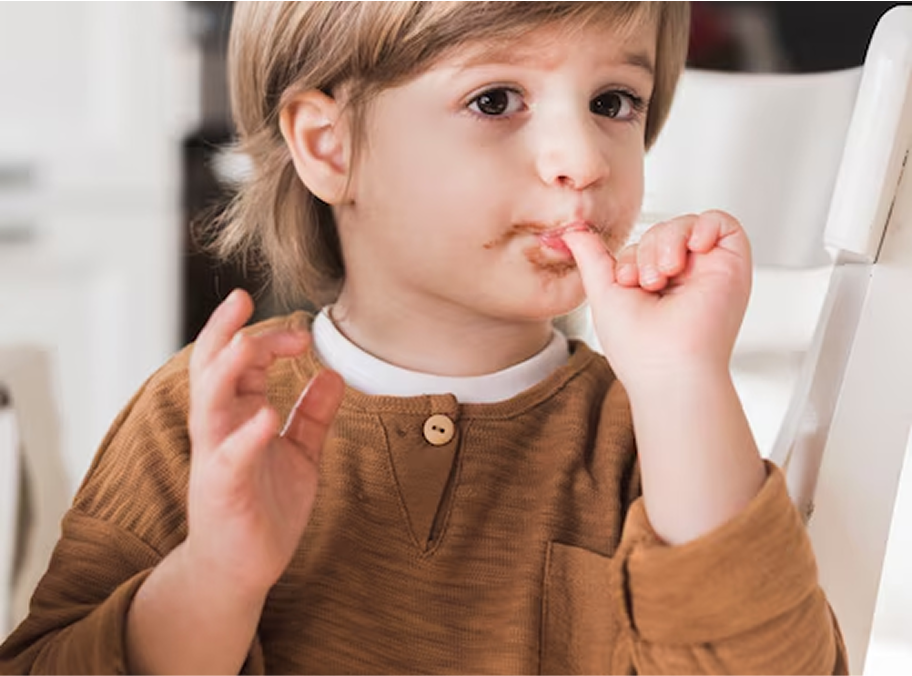
How Thumb-sucking Affects Your Child’s Growing Mouth.
Thumb sucking and pacifier use can affect your child’s bite and palate if continued too long. Most kids stop using pacifiers by age 1 and thumb-sucking by age 2–4. If it continues, it can lead to unwanted changes in mouth and jaw development. But for children who use pacifiers or suck their thumbs later into their formative years, that additional pressure and repeated action can cause several unwanted changes to the skeletal growth of the mouth, potentially causing:
- Crowded teeth
- Overbite
- Underbite
- Crooked teeth
- Gapped teeth
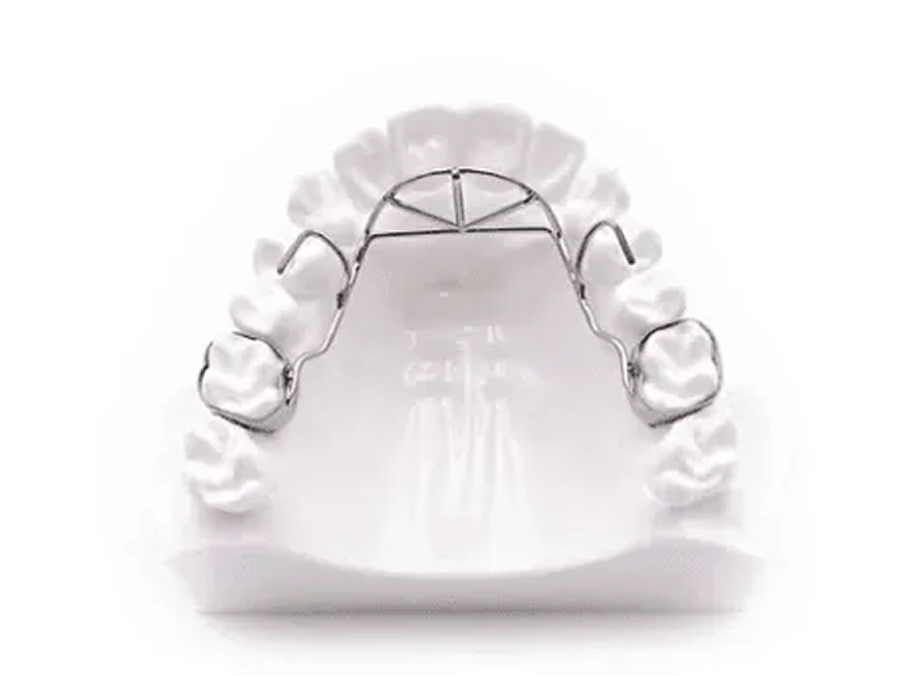
How Tongue Thrusting Can Affect a Child’s Mouth.
Tongue thrusting is when a child pushes their tongue through the spaces between their front teeth while speaking, swallowing and sometimes even at rest. Tongue thrusting is common in babies who are breast- or bottle-feeding, and they usually outgrow it naturally as they learn to swallow more effectively.
For some children, the habit continues longer, putting continuous, repeated pressure on the growing mouth that can lead to:
- Open bite
- Protruding front teeth
- Speech issues
- Breathing and sleep disturbances
Frequently Asked Questions.
Will a Habit Appliance Hurt My Child?
This is one of the most common questions parents ask us. The truth is that habit appliances are uncomfortable, but for the habit, not your child.
The appliance itself doesn’t cause pain, but it does make thumb sucking or tongue thrusting awkward and less satisfying, helping to discourage the behavior over time. That said, as with any new oral appliance, it does take some getting used to.
During the first few days, your child may notice increased saliva production and mild soreness while their mouth adjusts. If discomfort persists, your Atlanta orthodontist may recommend simple remedies, such as orthodontic wax or a saltwater rinse. Most children adapt quickly, and within a few weeks, forget the appliance is even there.
How Long Does a Child Need to Wear a Habit Appliance?
As with all types of orthodontic treatments, your child’s habit appliance treatment length depends on their particular case; more severe habits warrant longer durations. However, most children wear their appliances for between 6 and 12 months. The goal isn’t to prevent the habit, but rather to override the neurological impulses behind it.
When you and your child meet our team for their Atlanta orthodontics consultation, we’ll share an expected timeline and closely monitor their progress throughout treatment. Doing so helps us prevent the habit from returning after we remove the appliance.
What’s the Difference Between a Fixed and Removable Habit Appliance?
Habit appliances fall into two categories: fixed and removable. Fixed appliances bond to your child’s teeth and can only be removed in the office, making them a good option for children who might try to remove them. Alternatively, removable appliances can freely come out and are best for older children who require less supervision.
At Atlanta Orthodontic Specialists, we’ll select an appliance type based on your child’s age, the severity of the habit, and their unique set of circumstances.
My Child Is Three. Should I Worry About Their Thumb Sucking?
Thumb sucking at age 3 isn’t cause for alarm, but it is something to monitor. Thumb sucking and pacifier use are normal in infants and toddlers, and most children abandon these habits on their own before they lead to lasting dental changes. Concern arises when the habits continue past ages four or five, when permanent teeth are developing, and the pressure from repeated sucking can affect the growth of your child’s jaw and dental arch.
If your 3-year-old is still sucking their thumb, speaking with an orthodontist about habit appliance treatments can help. They can assess the situation and decide whether early intervention is warranted.
Are Habit Appliances More Effective Than Other Habit-Breaking Methods?
Many of the parents we see try a variety of habit-breaking strategies in their children before turning to appliances. Reward charts, thumb guards, gentle reminders—we’ve heard and seen it all. These methods can be effective with some children, but with others, the habit is ingrained to an extent that behavioural approaches, alone, are insufficient.
Habit appliances work passively around-the-clock, without the need of regular parental intervention. Besides maximizing efficacy, this also prevents stressful dynamics from appearing around the habit. The appliance simply makes the behavior less rewarding until the urge behind the habit disappears.
For children who don’t respond to other methods, a habit appliance is the most effective and drama-free solution.
Can Tongue Thrusting Cause Speech Problems?
Yes—often, speech problems caused by tongue thrusting can develop over time. When a child regularly pushes their tongue forward between their teeth while speaking or swallowing, it can affect how certain sounds form, particularly “s,” “z,” “d,” and “n” sounds. This can result in a lisp or similar articulation issues that often become more pronounced as the child gets older.
Addressing tongue thrusting early through a habit appliance, and possibly other tactics like speech therapy, can prevent speech difficulties from becoming entrenched. At Atlanta Orthodontic Specialists, the interdisciplinary approach we take to these issues allows us to address the root cause, instead of just the symptoms.
Will My Child Need Braces After Using a Habit Appliance?
While a habit appliance breaks the behavior that causes orthodontic problems, it can’t reverse changes that have already occurred. Thus, if your child’s thumb sucking or tongue thrusting has already affected their bite or tooth alignment, our team may still recommend braces or other treatment options once their habit appliance is out.
The good news is that starting habit appliance treatment as soon as possible can significantly limit the extent of these changes, often making subsequent orthodontic procedures simpler, shorter, and more affordable.
Get Your Free Consultation.
Start the journey toward a straighter smile today!